 ARCHITECTURAL METALWORK
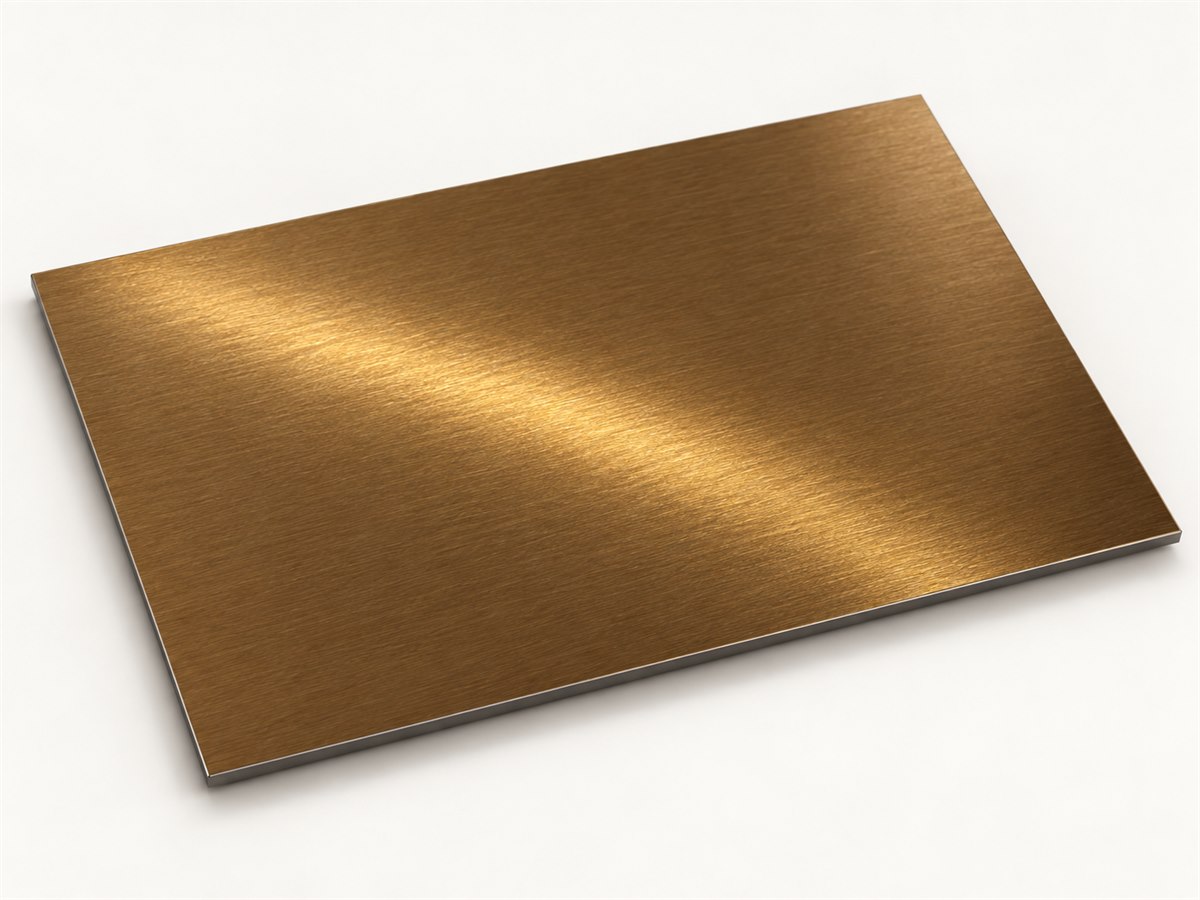
Brushed Stainless Steel Finish
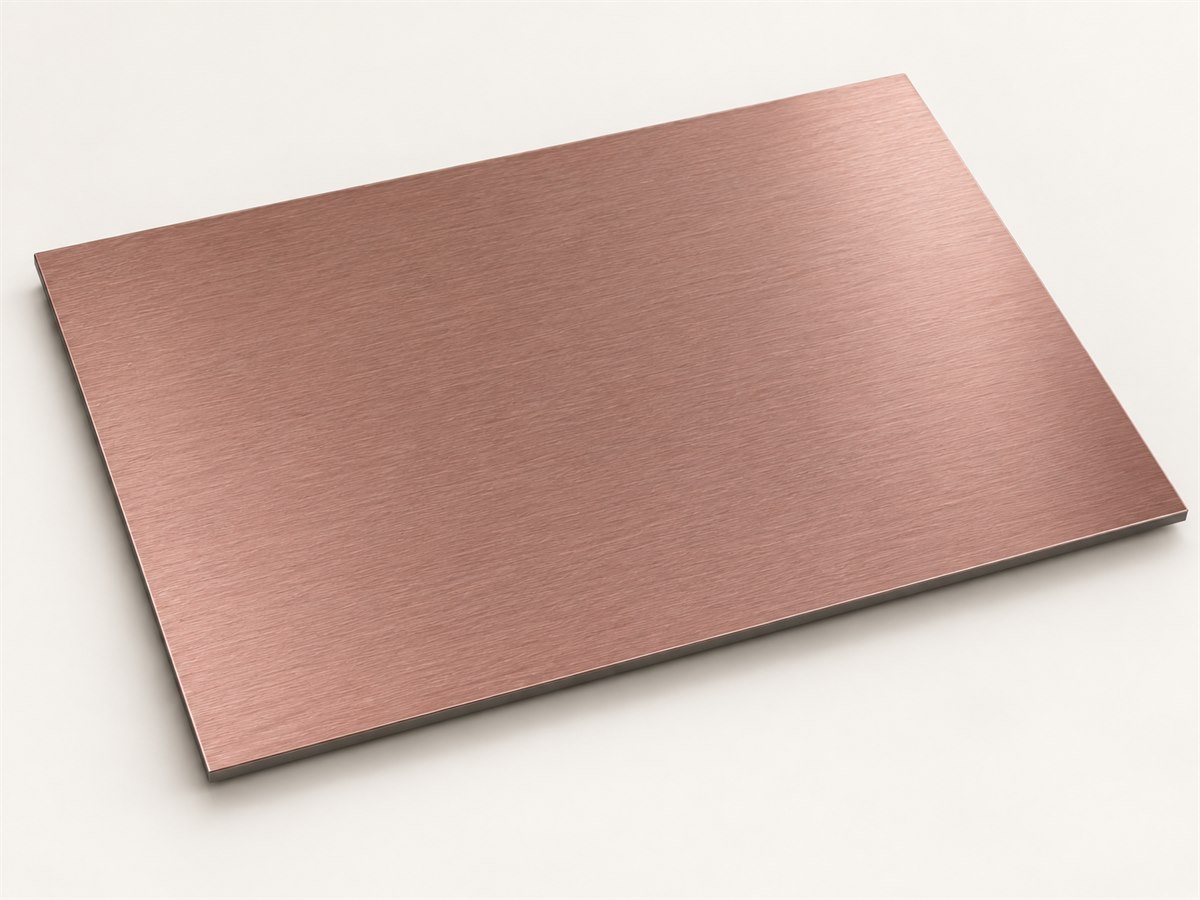
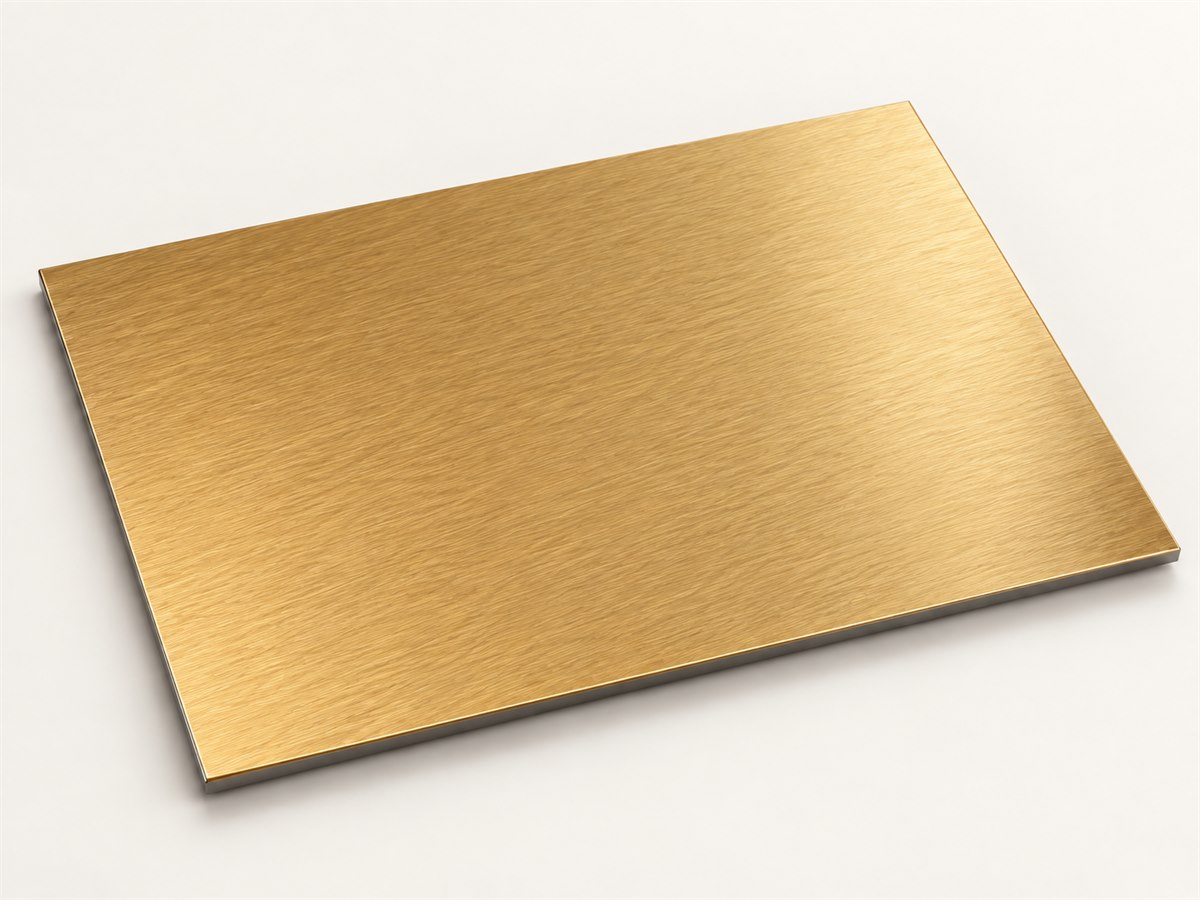
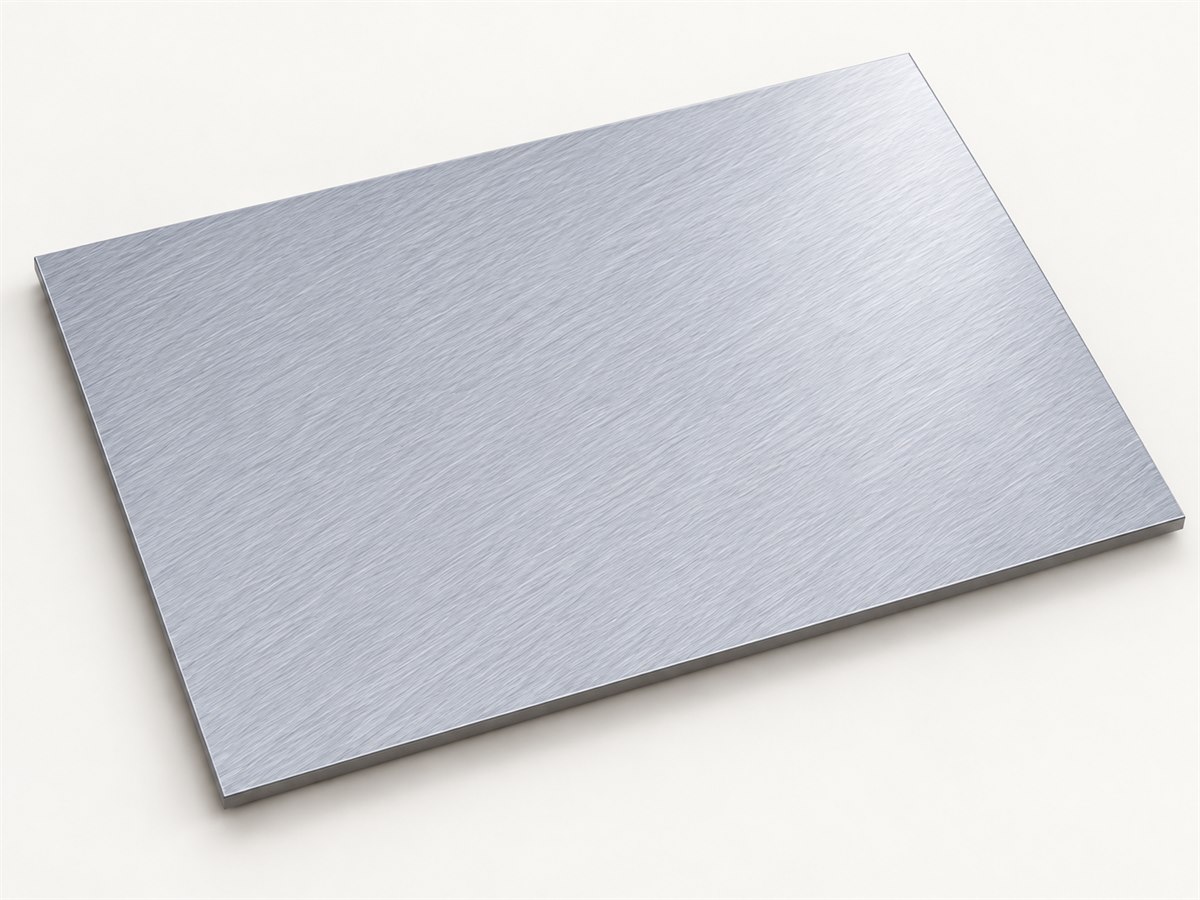
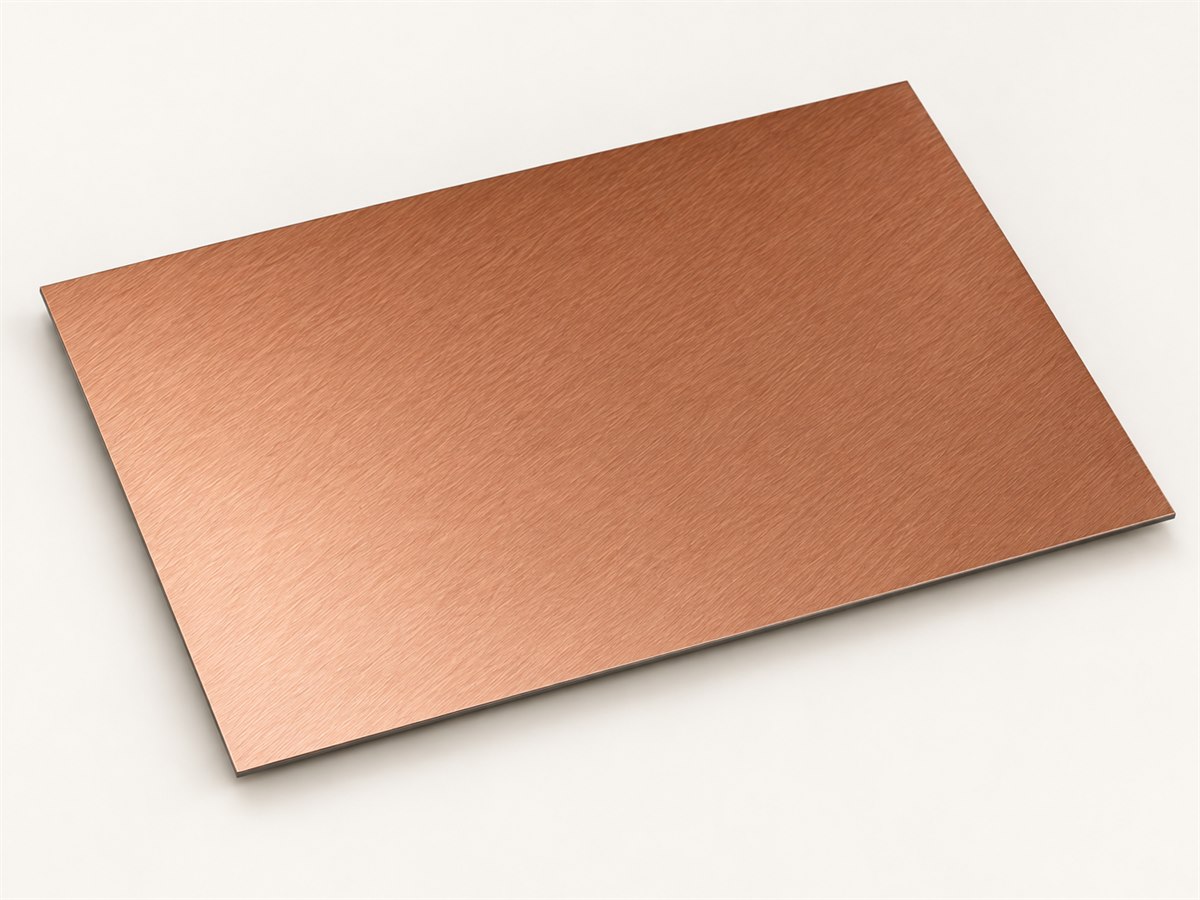
Brushed stainless steel gives metalwork a visible directional satin grain. This library keeps it separate from the fine, continuous Hairline family so you can compare the required texture before confirming colour and fabrication details.
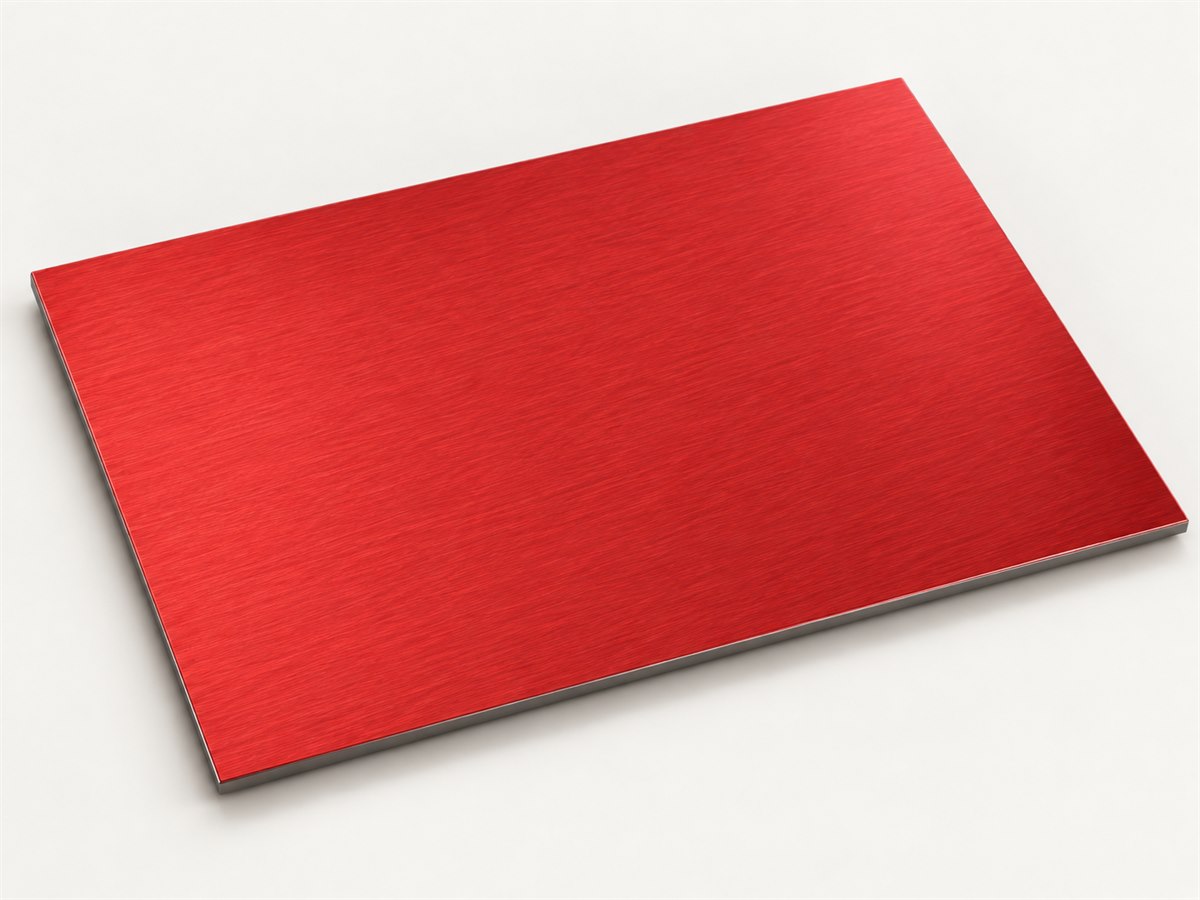
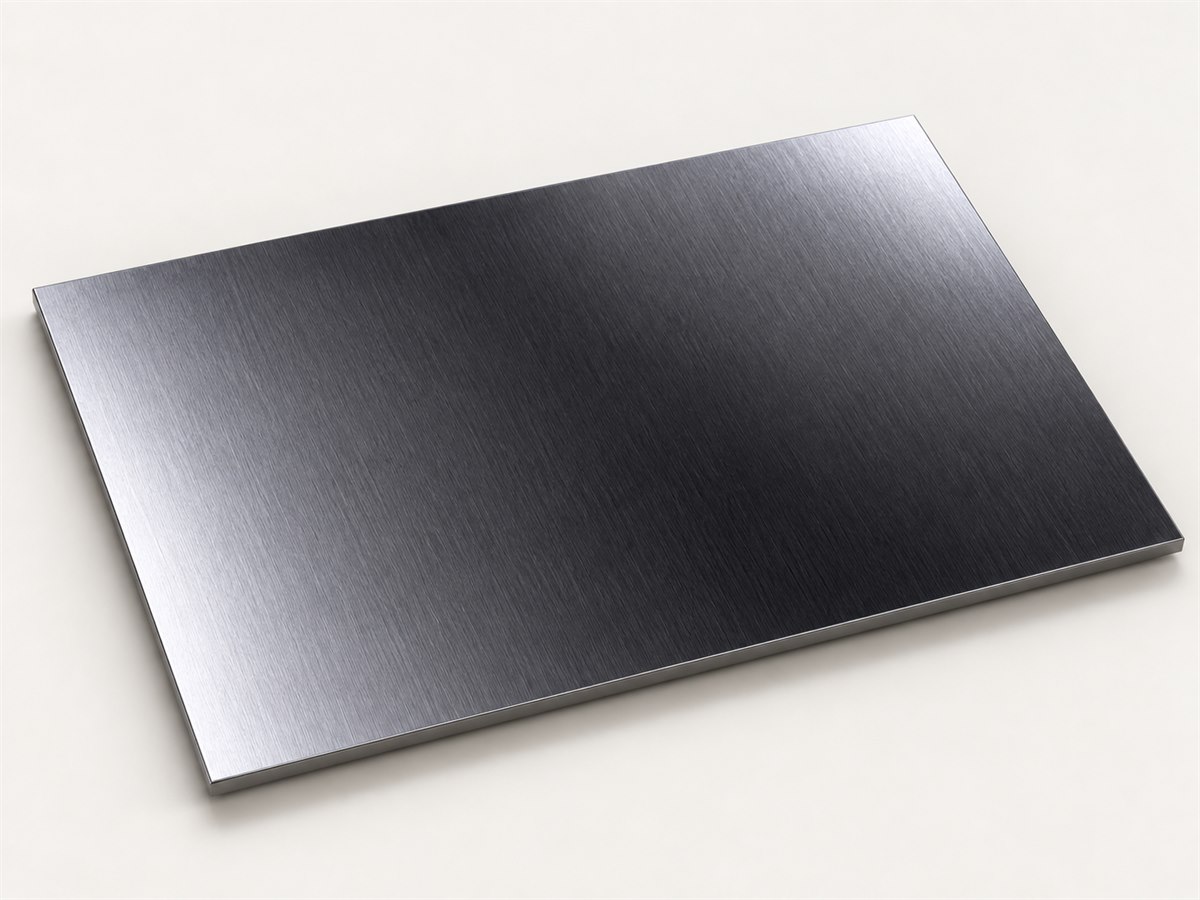
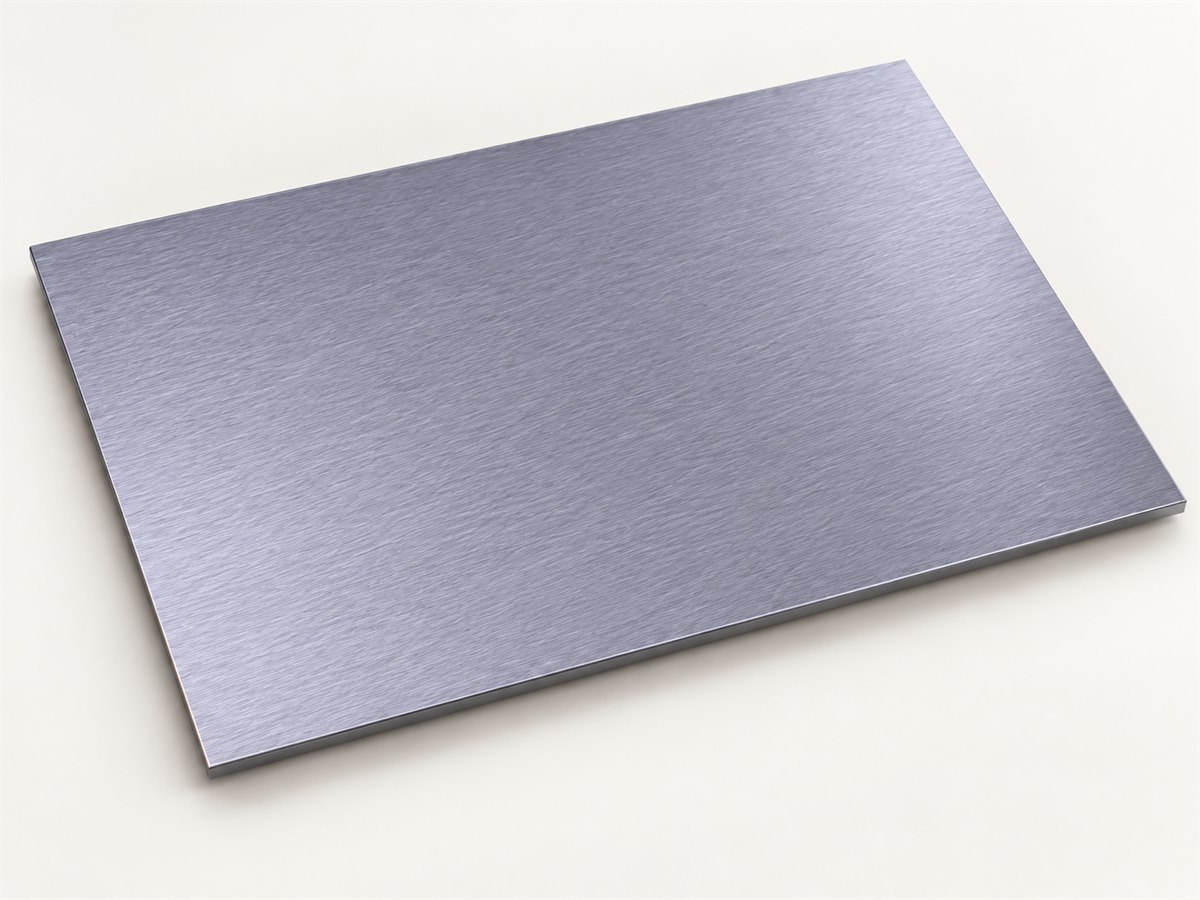
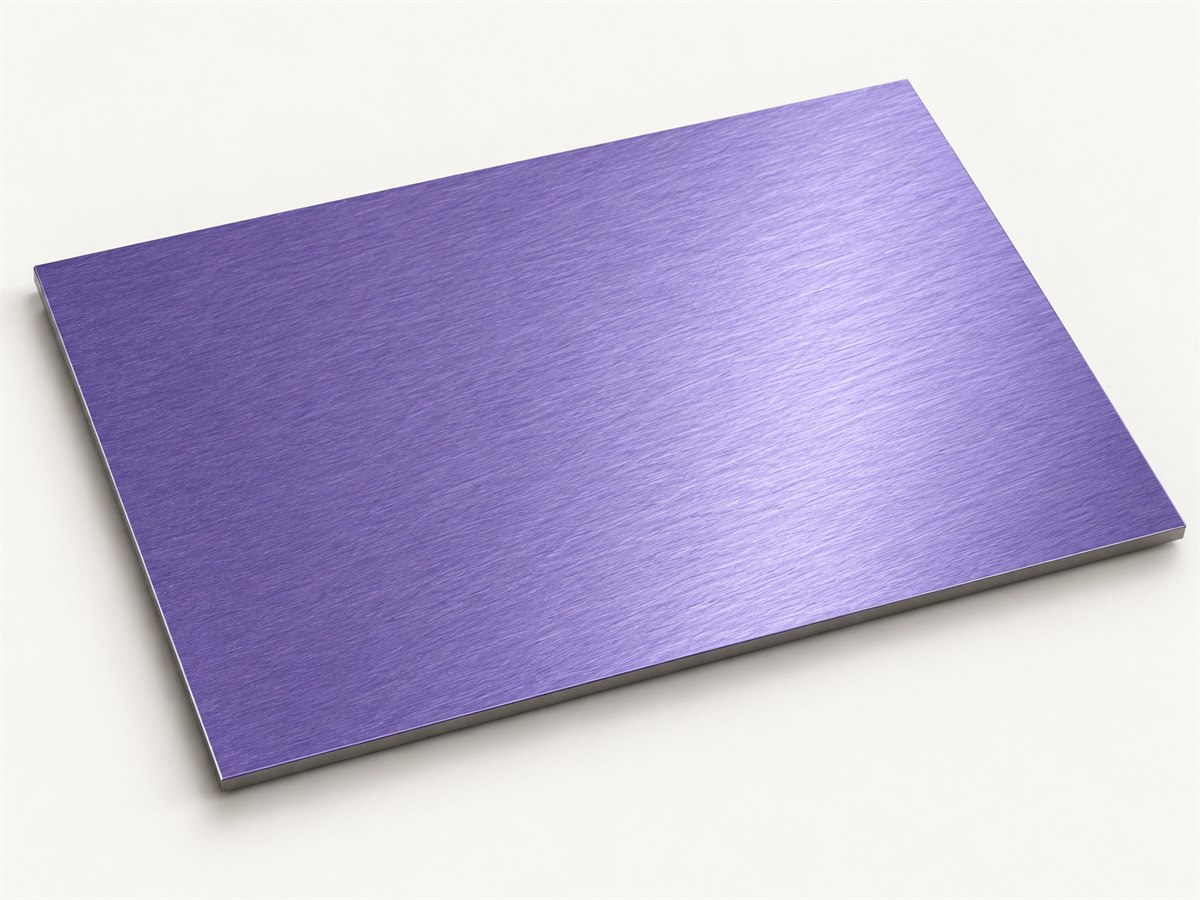
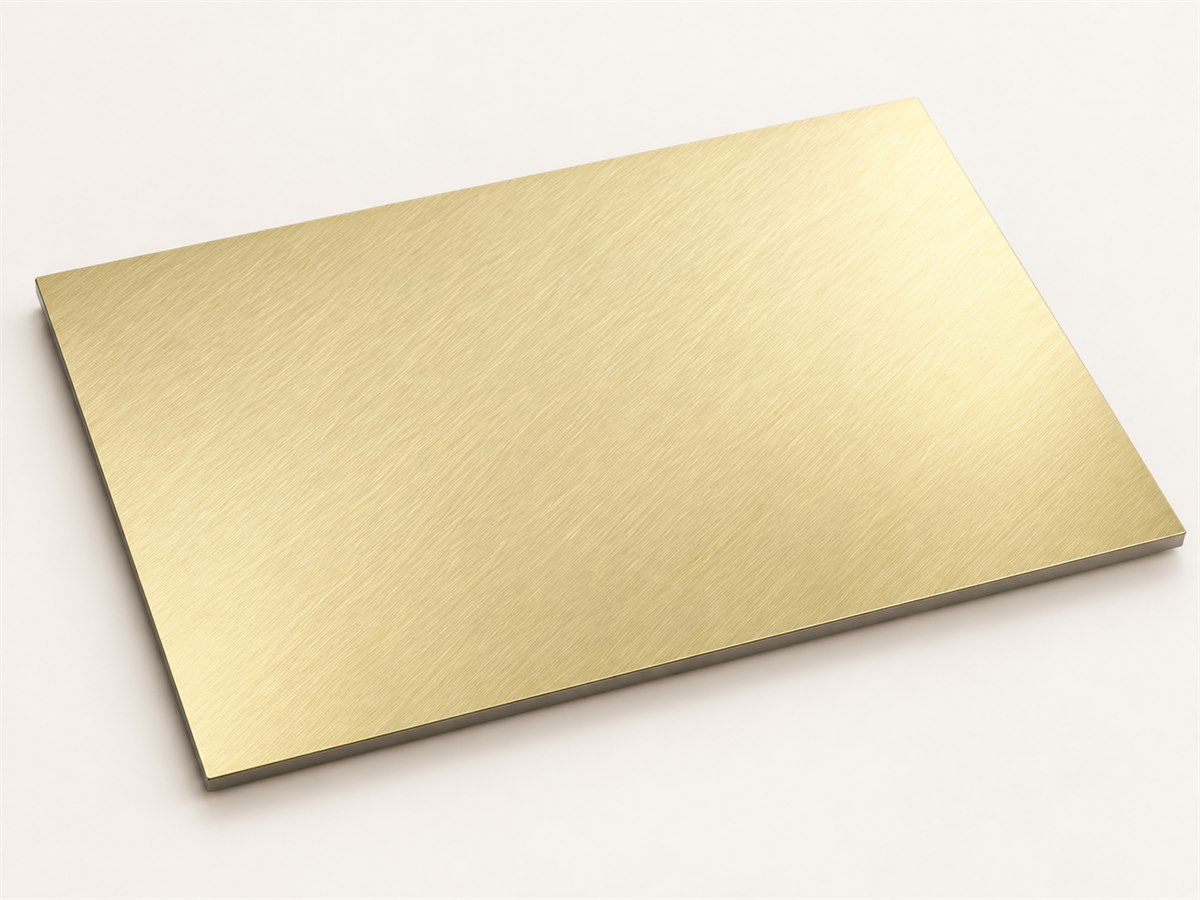
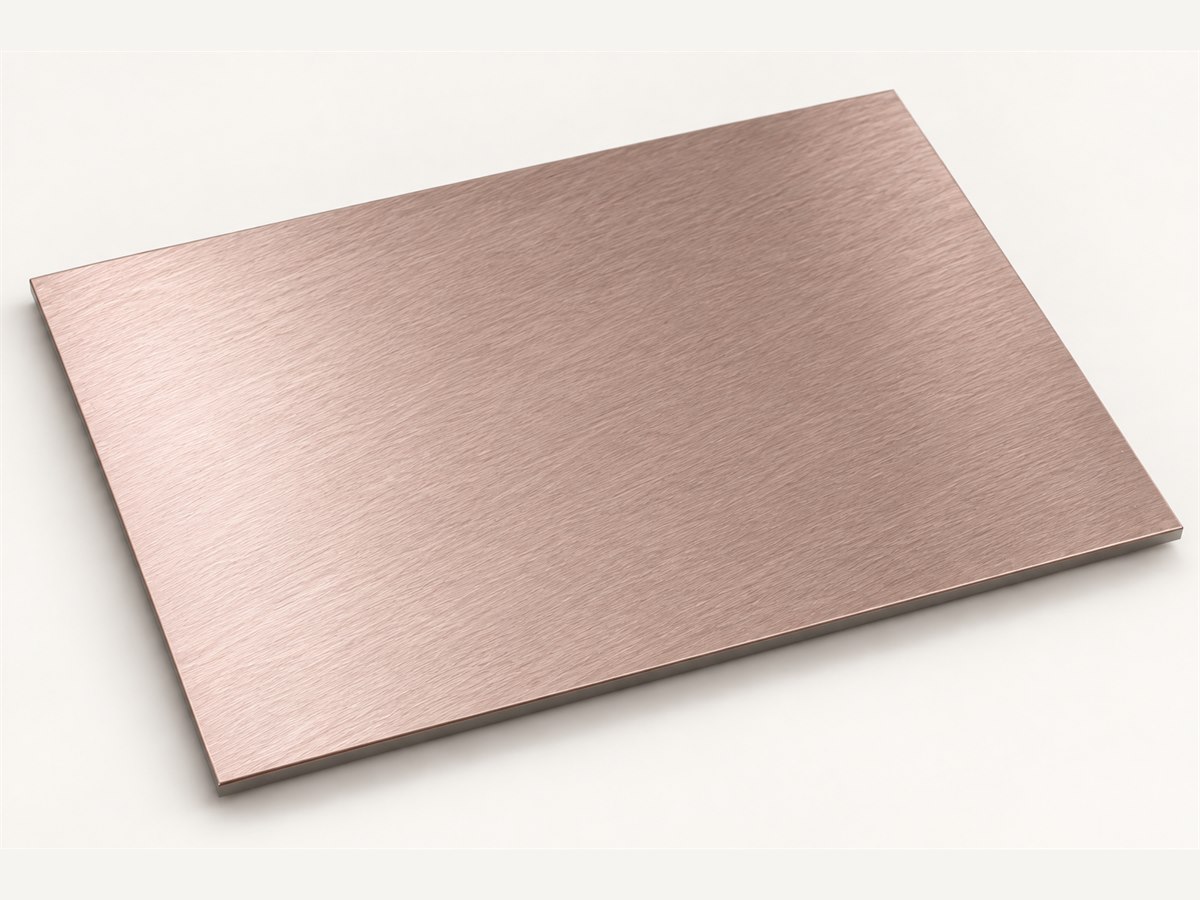
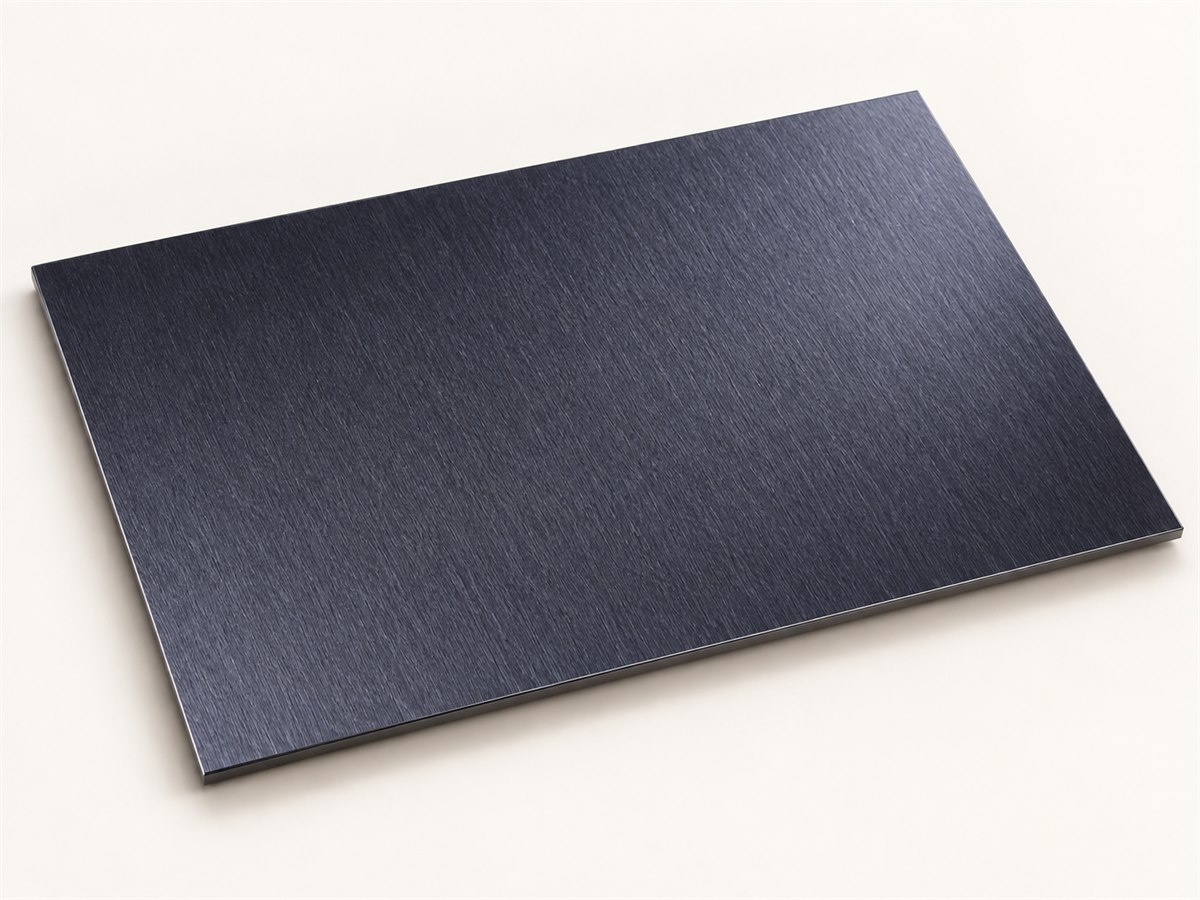
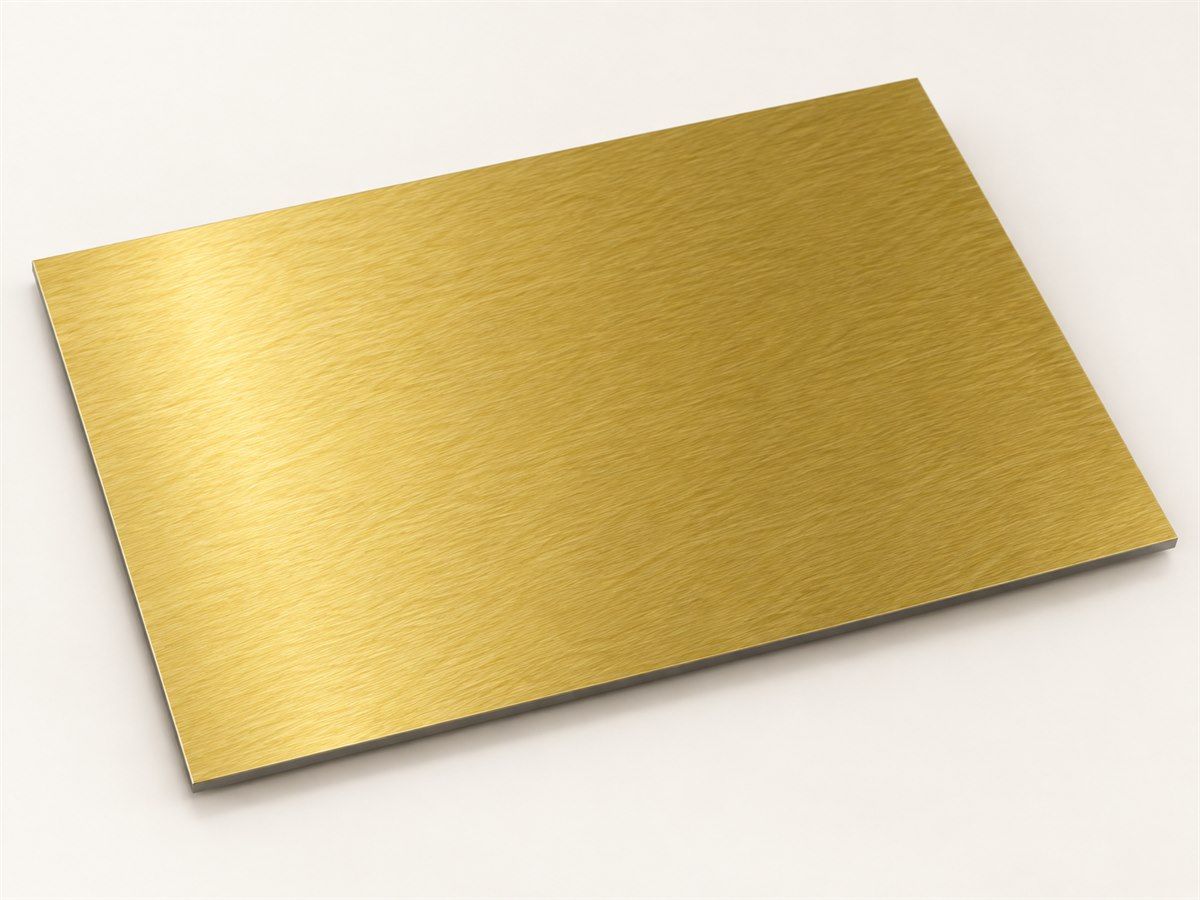
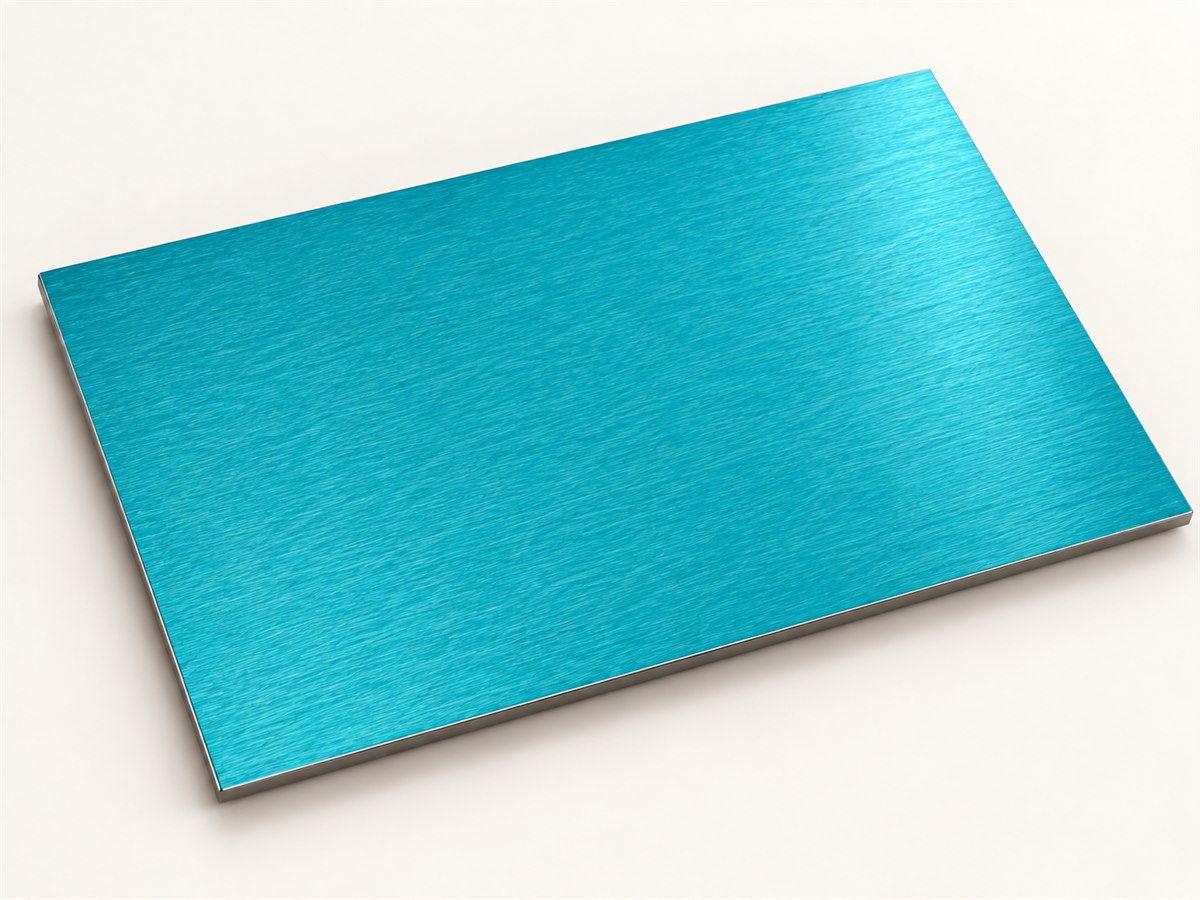
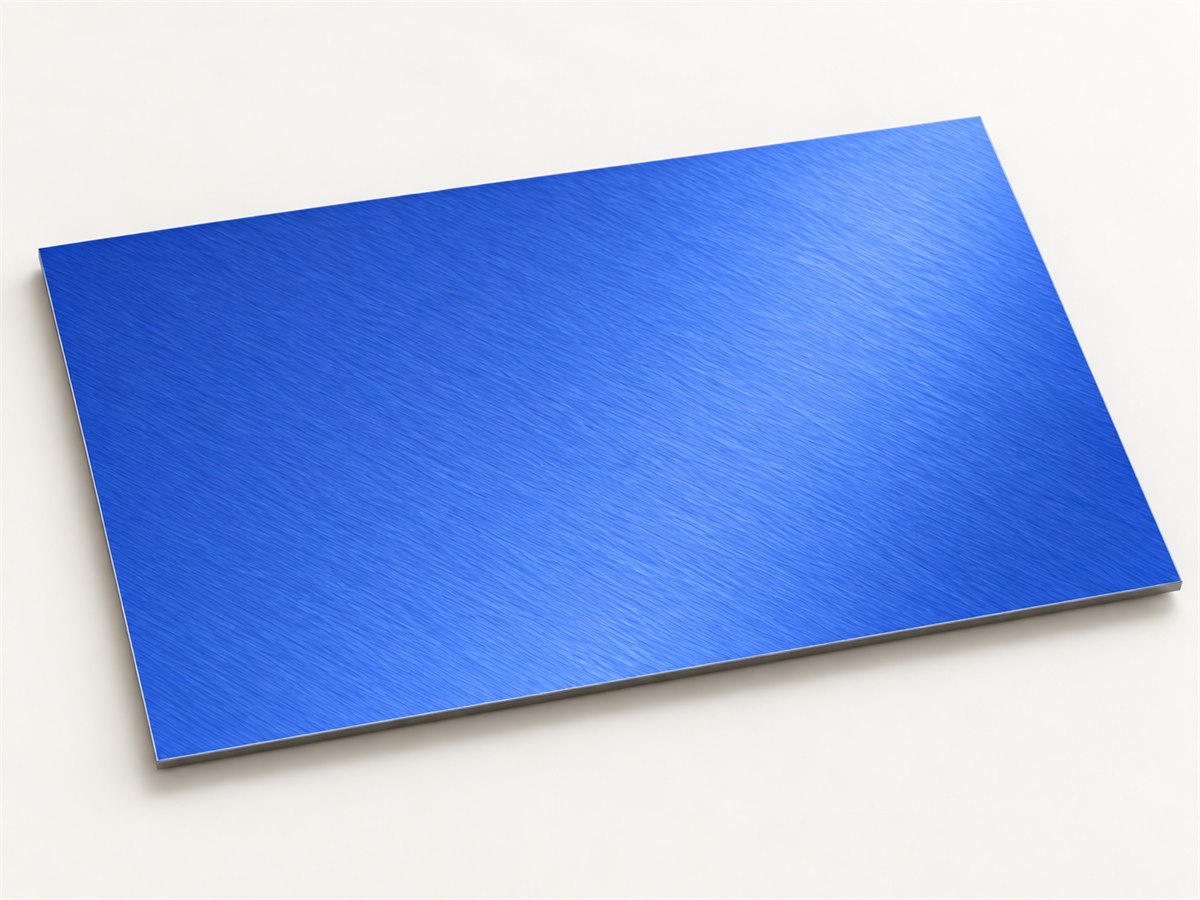
No matching finishes. Try another name or reference code.
SELECT / SPECIFY / FABRICATE
Understanding Brushed.
Approved grain appearance, direction, visible joints and contact conditions.
Appearance & process
Brushed is the directional satin family, described in the reference material as No.4 or #4. Abrasive brushing produces a visible one-way grain. Brushed processing can use a 100–400 grit abrasive range, with the chosen abrasive influencing the appearance. This is a process reference, not a grit specification assigned to every library photograph. Hairline is listed separately for its fine, continuous long-grain appearance.
Visual characteristics and advantages
The brushing gives panels and components an evident grain that can help define their direction and proportion. It offers a satin visual alternative to a mirror finish. The chosen abrasive process and reference appearance determine how fine or pronounced the grain looks.
Selection considerations
Agree the visible grain before treating a grit number or No.4 designation as a complete specification. Indicate the required direction at corners, welds and returns. Stainless steel grade, thickness, colour and any additional protective treatment are separate project decisions.
Architectural applications
Discuss brushed metal for decorative frames, display components, entrance features or metal wall panels in commercial and hospitality interiors. For a framed partition, show which members should share the same grain direction. For furniture or display details, identify frequently touched areas so surface requirements can be reviewed.
Fabrication considerations
Identify exposed welds, cut edges and returns in the drawings. For a multi-part feature, discuss which faces need a consistent brushing direction and which joints will remain visible. FABRITERA develops the fabrication details around the shape and finish reference; the final thickness is selected for the component rather than inferred from the sample photograph.
Questions to help your selection
Does No.4 define every brushed reference?
No.4 is a useful industry designation, but it does not identify the exact appearance of every photographed reference. Agree the required grain and finishing method for the component.
Is brushed stainless steel automatically anti-fingerprint?
No. Brushing creates the grain. Any anti-fingerprint treatment needs to be discussed and confirmed separately for the selected construction.
Care & protection
General care guidance uses neutral cleaner and a soft cloth, avoiding acidic cleaners and rough materials. Agree a cleaning method for the actual colour and surface treatment. If an anti-fingerprint option is requested, confirm it separately with the appearance reference.
What to share with us
Send the selected reference code with a drawing, CAD file, rendering or reference image, approximate dimensions, quantity and intended environment. Mark the visible faces and explain how the component will be used. If you have a material grade, colour sample or cleaning requirement, include it. FABRITERA reviews the manufacturing details and confirms the agreed finish and colour reference for the proposed component.
Discuss your project ↗