 ARCHITECTURAL METALWORK
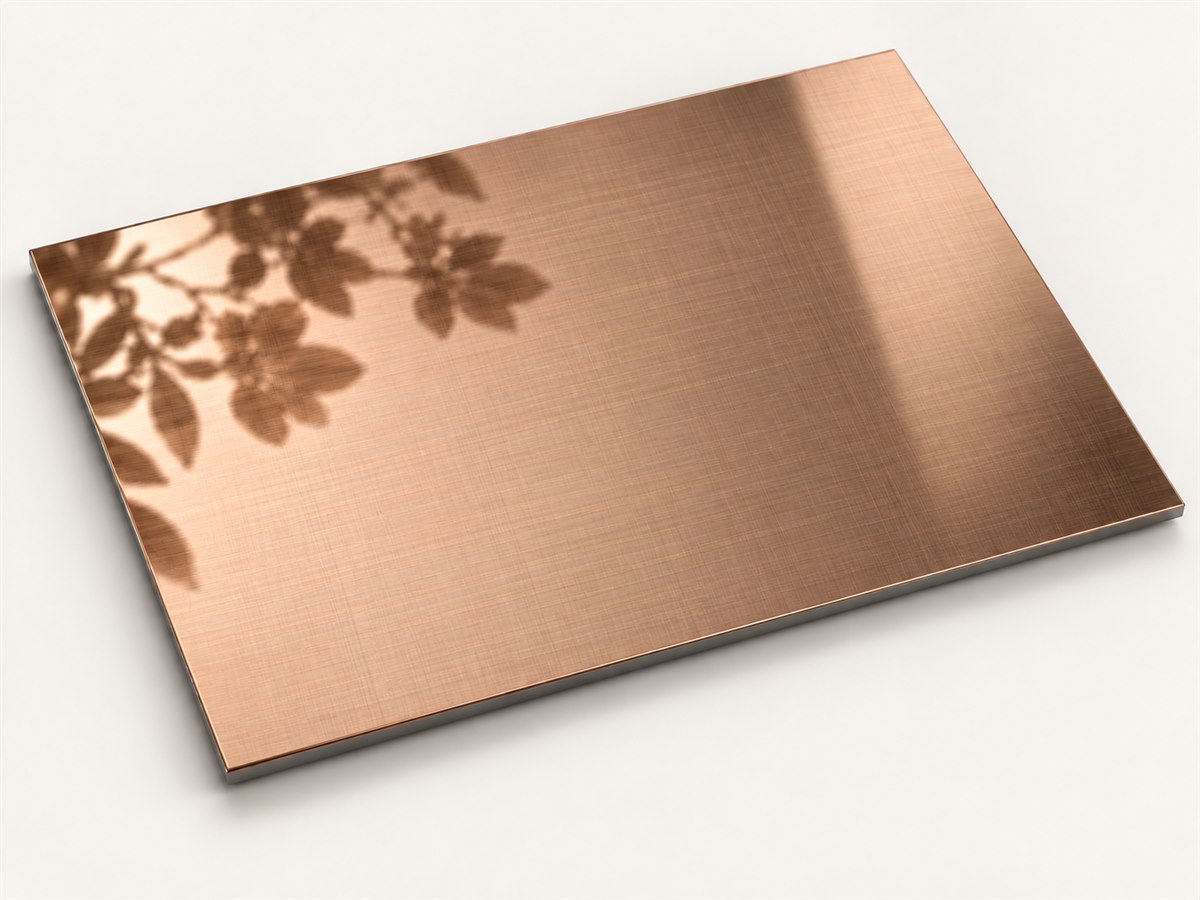
Cross Hairline Stainless Steel Finish
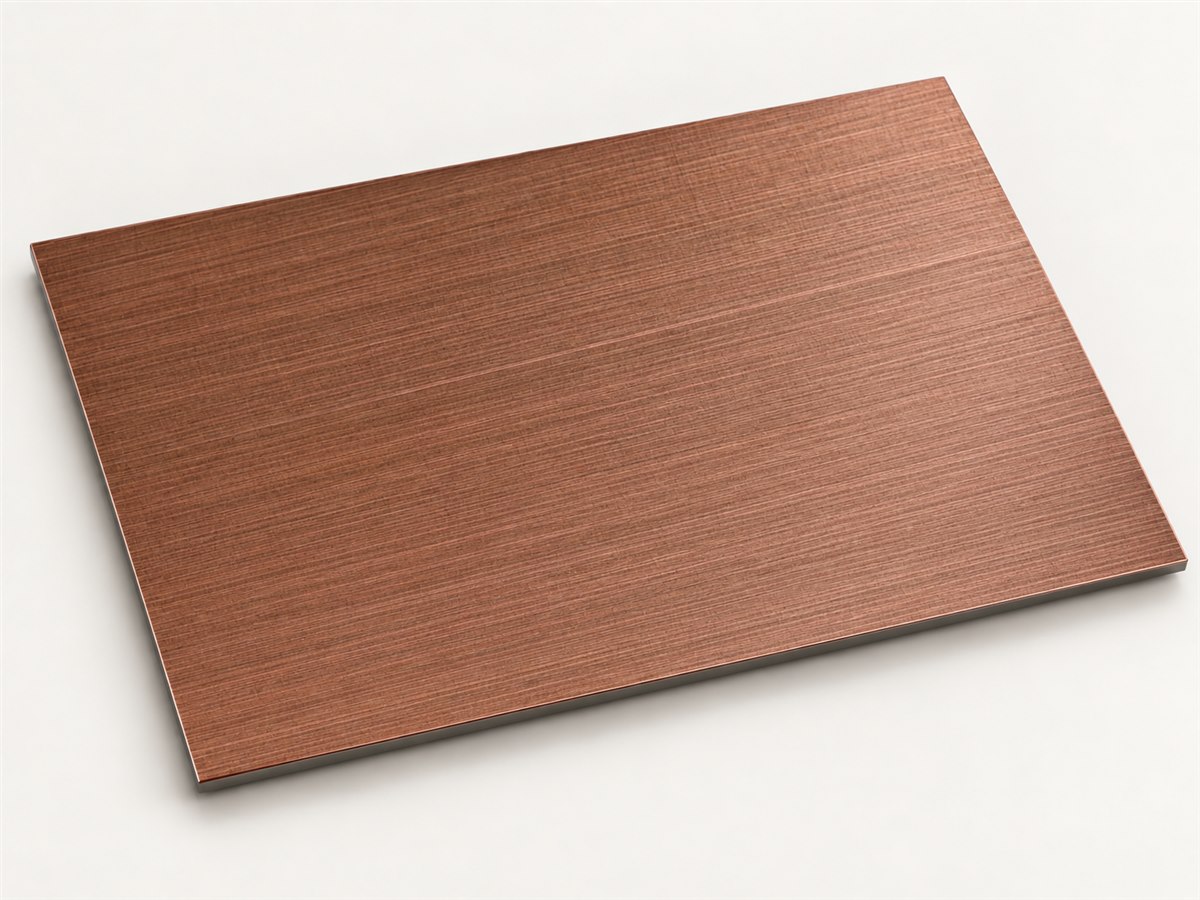
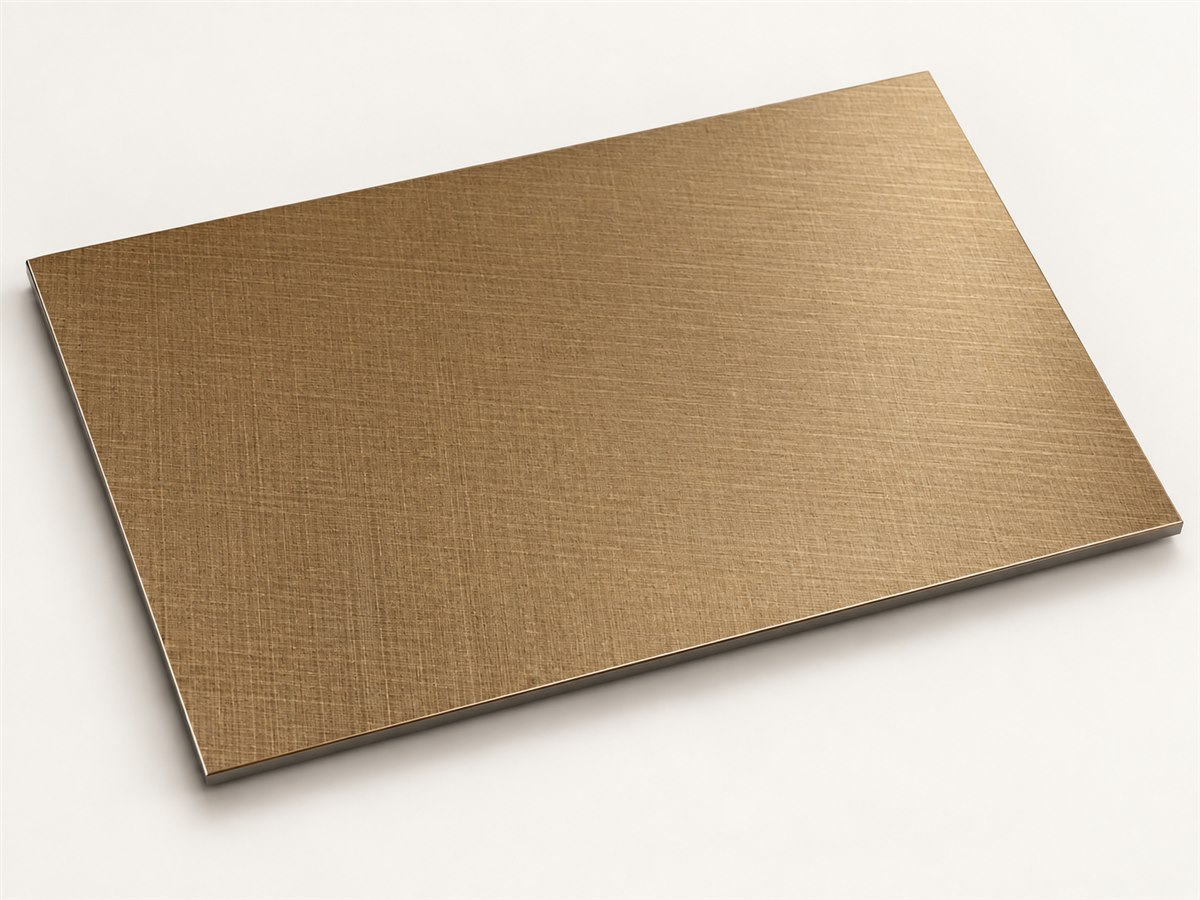
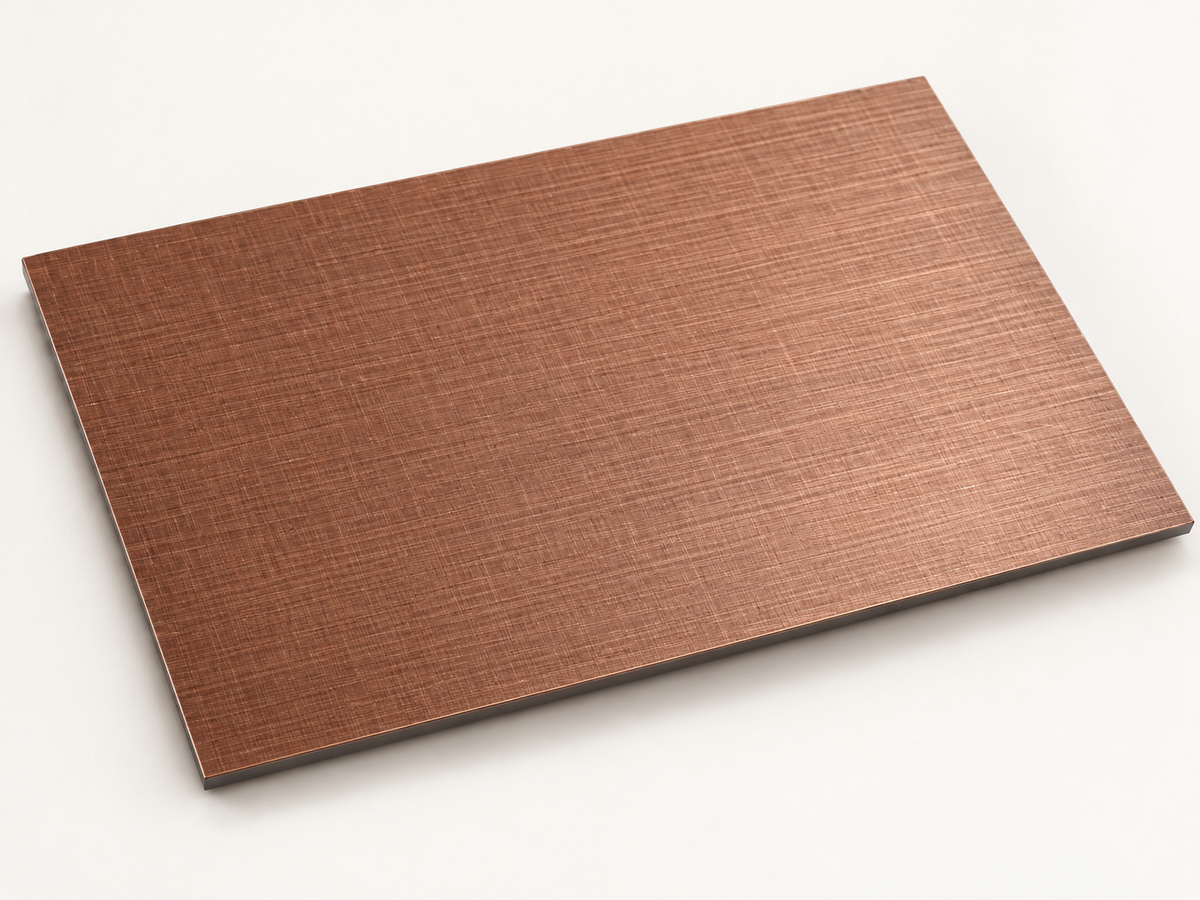
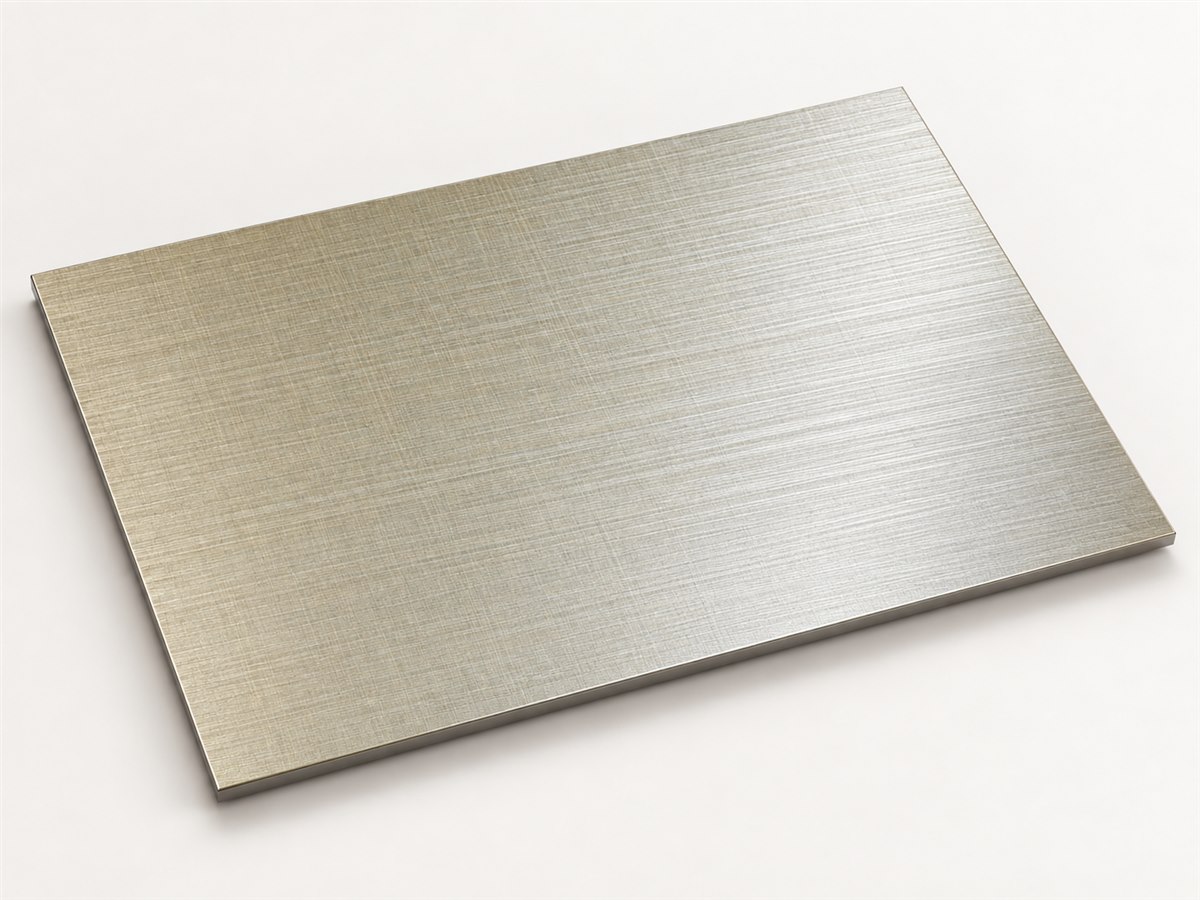
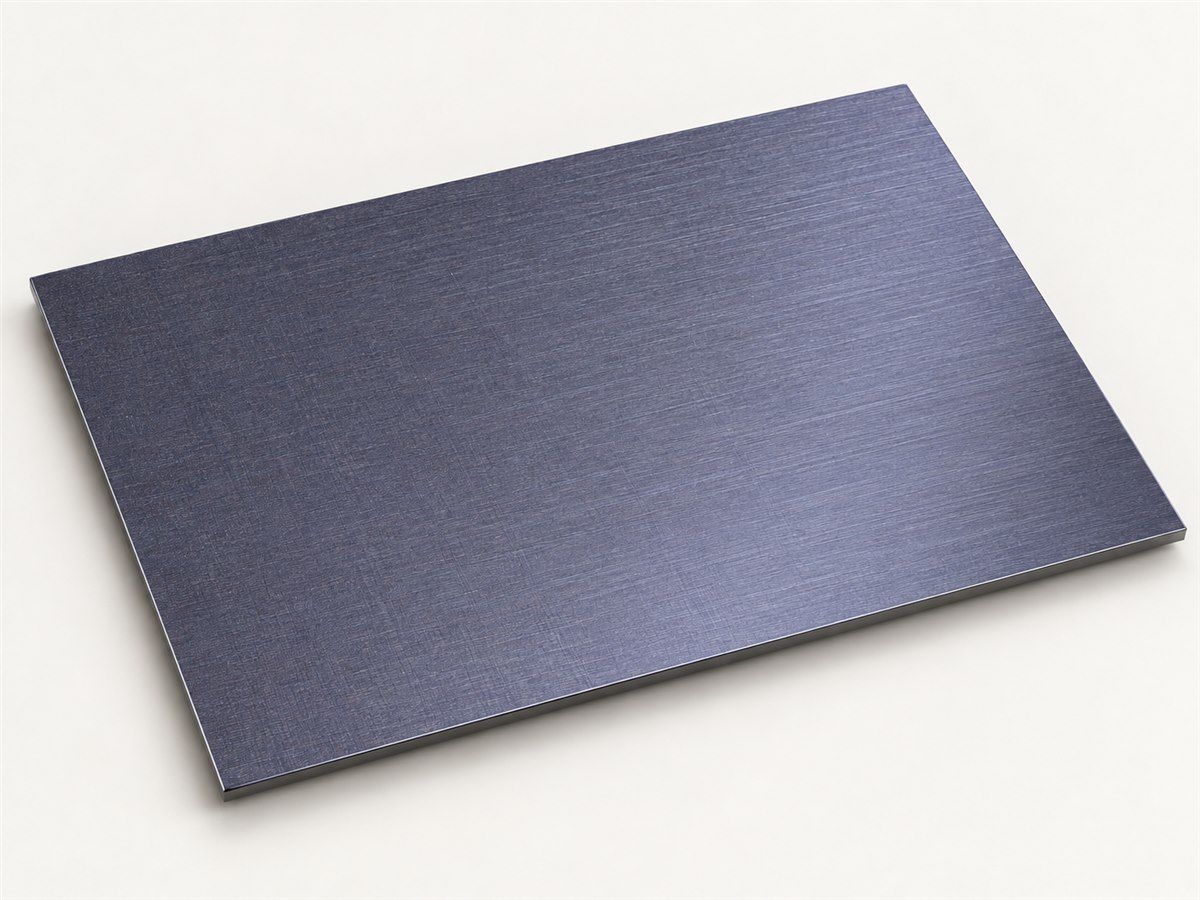
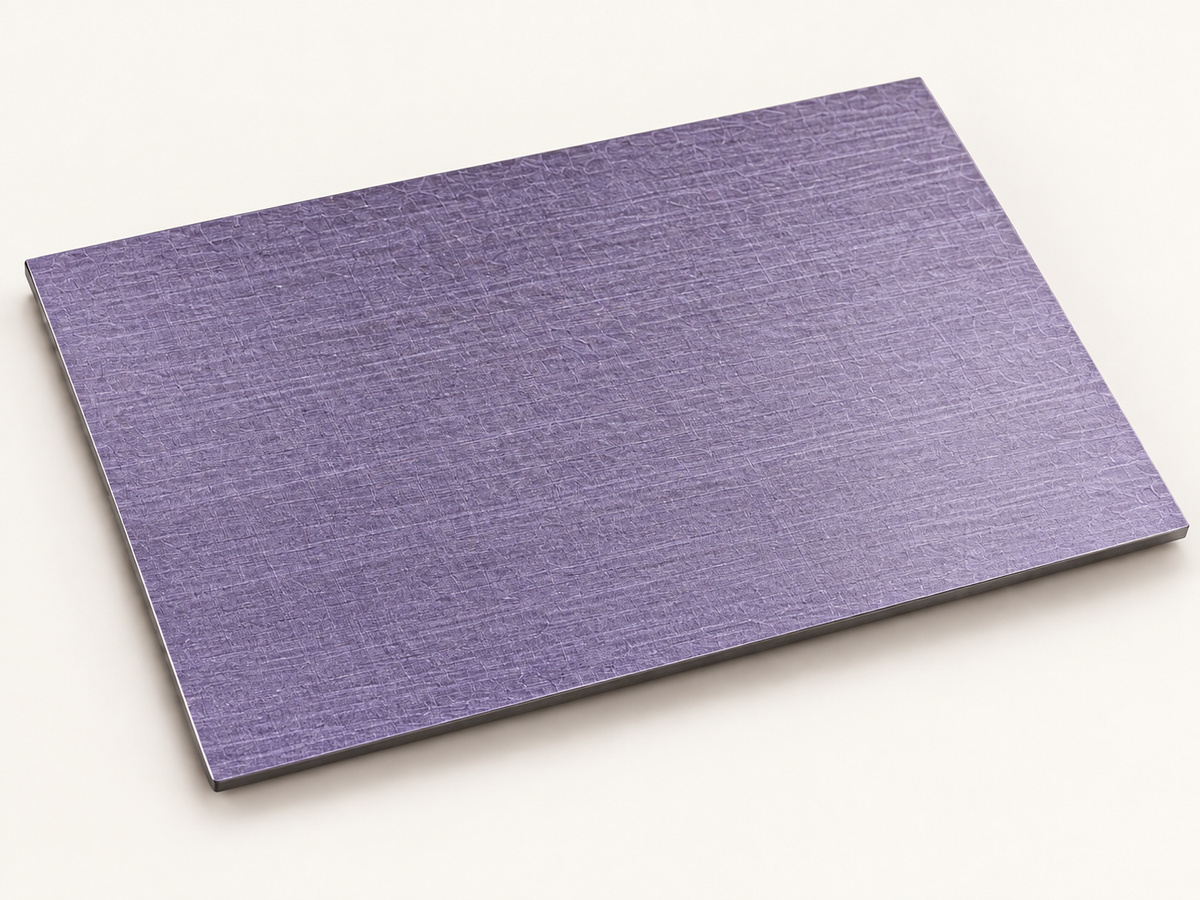
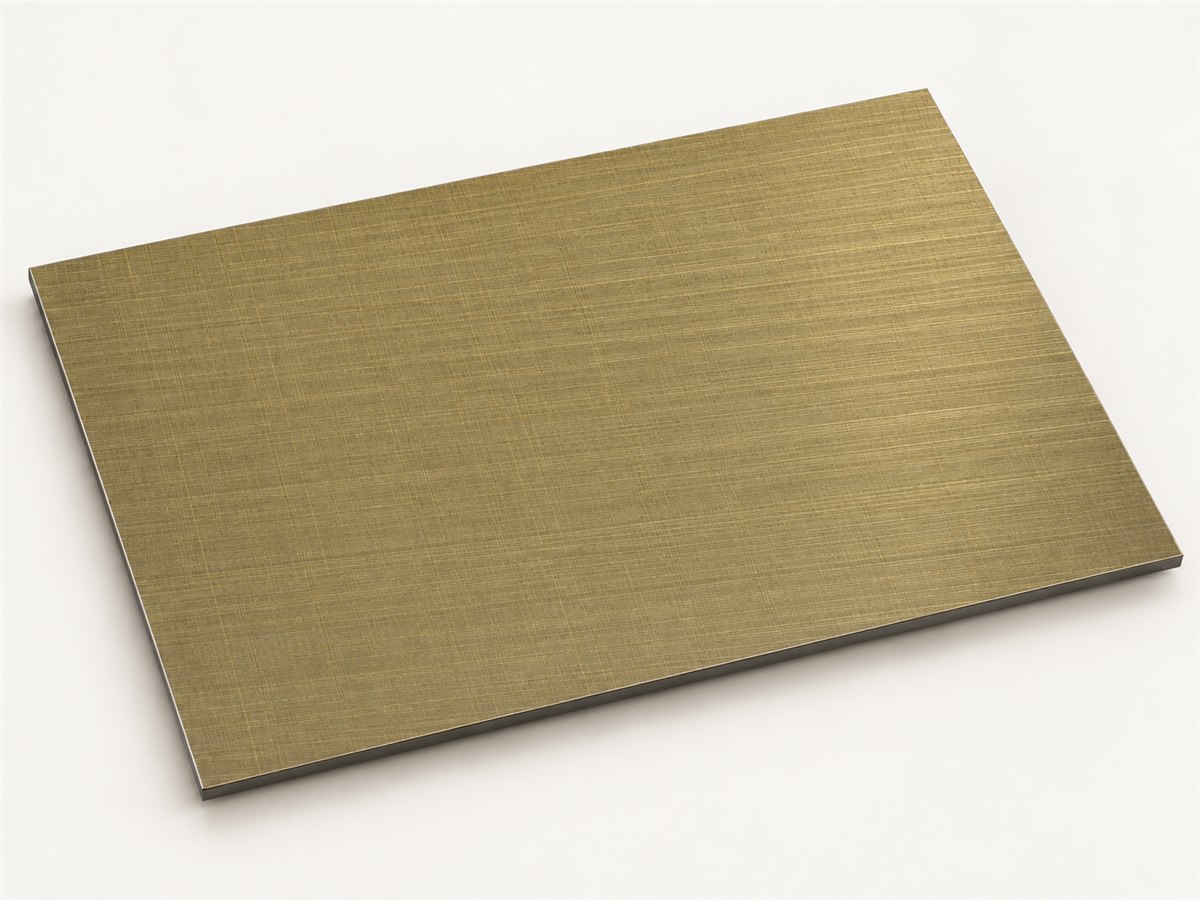
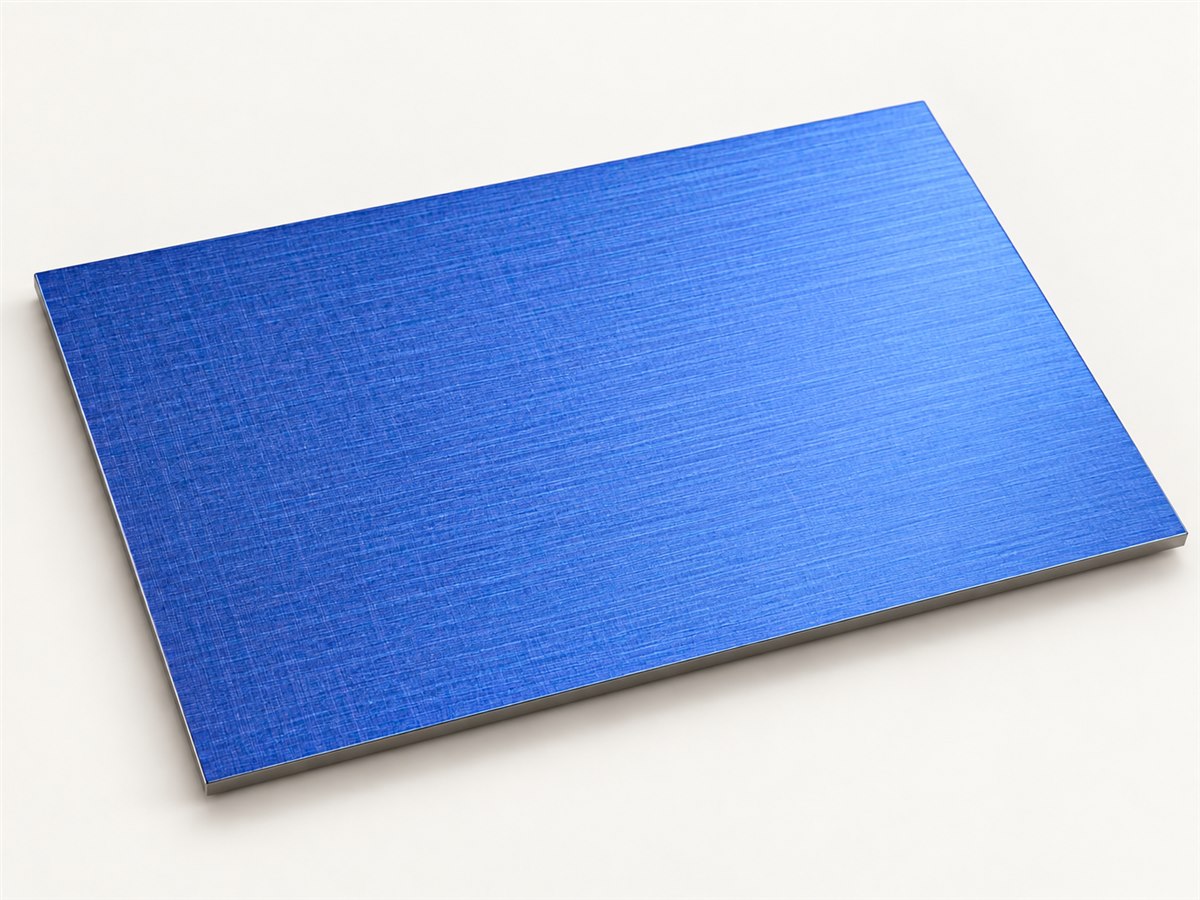
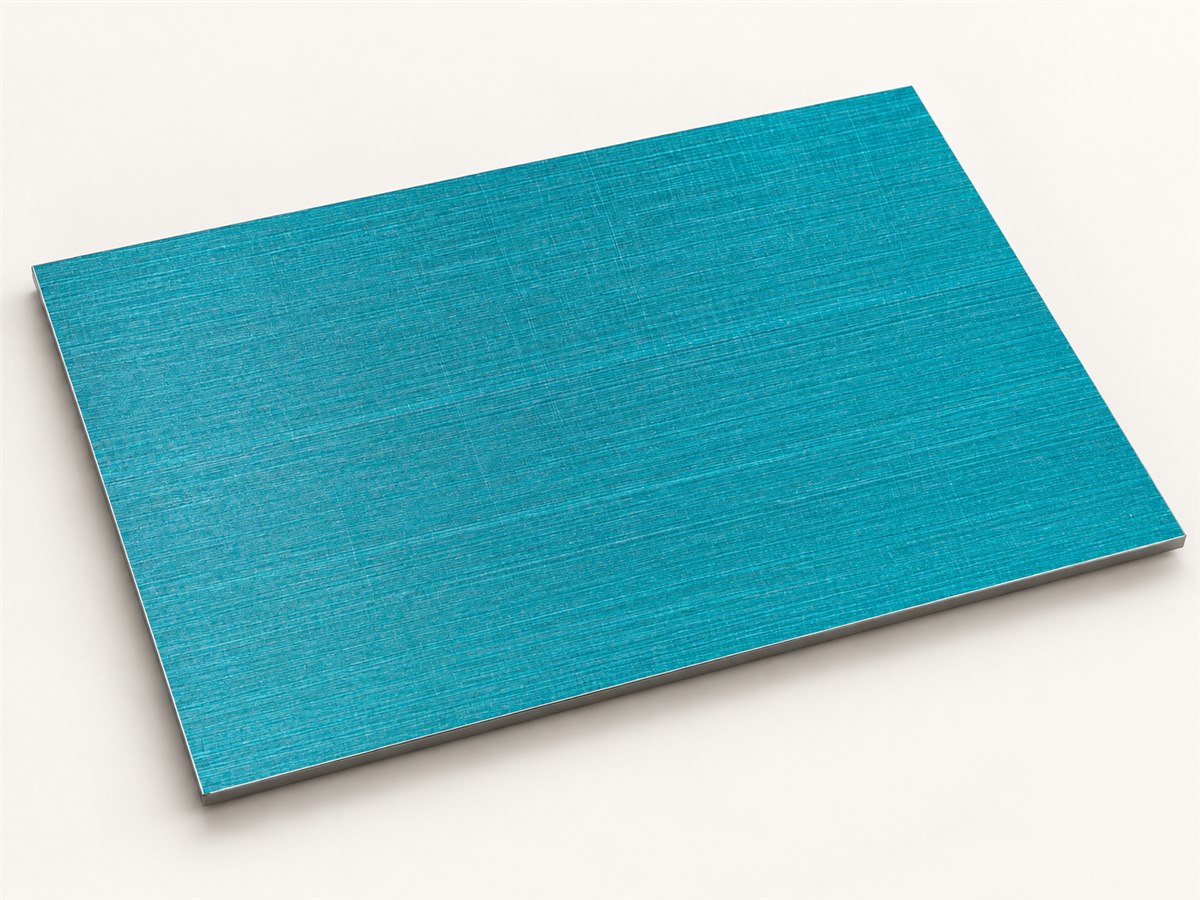
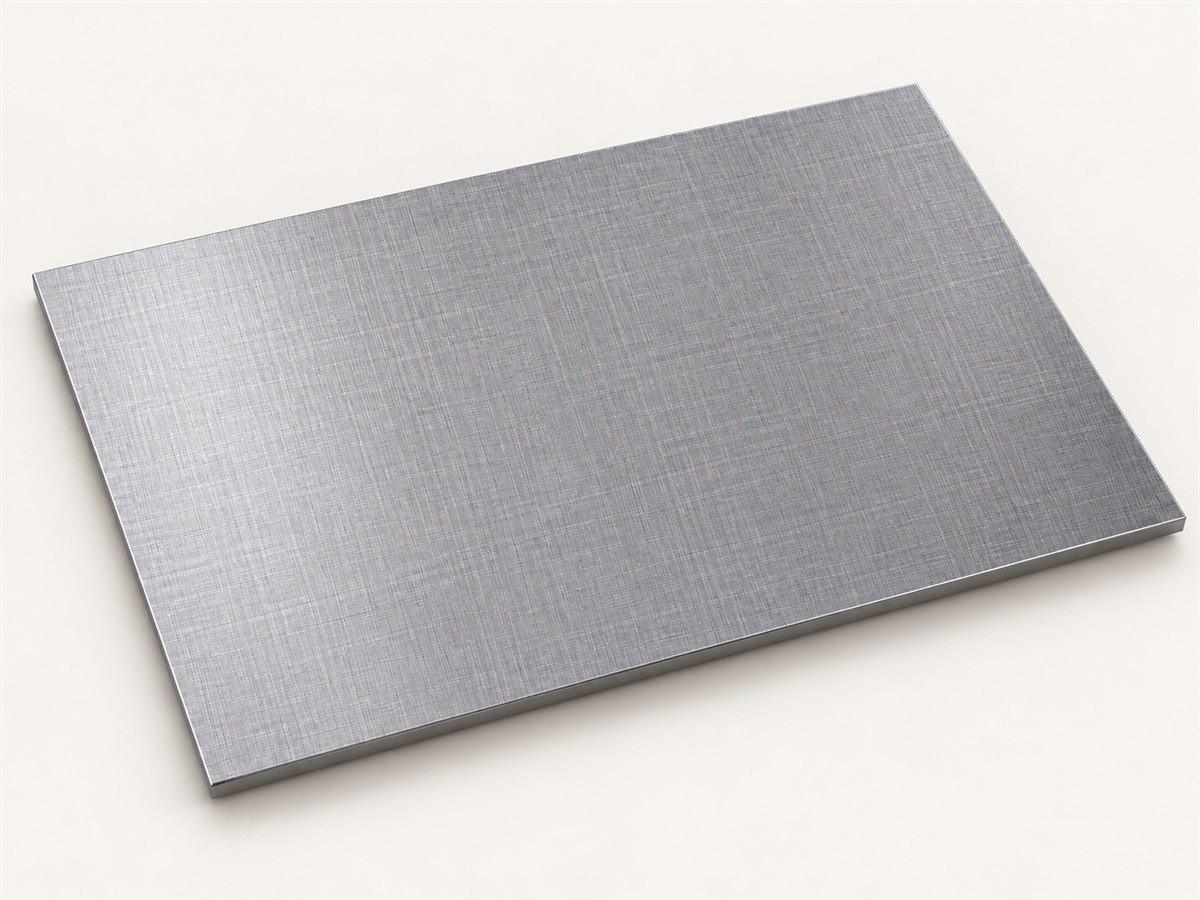
Cross hairline stainless steel combines intersecting grain directions into a more layered surface pattern. Compare references for decorative panels and metal features, considering grain angle, density, base reflection and colour together.
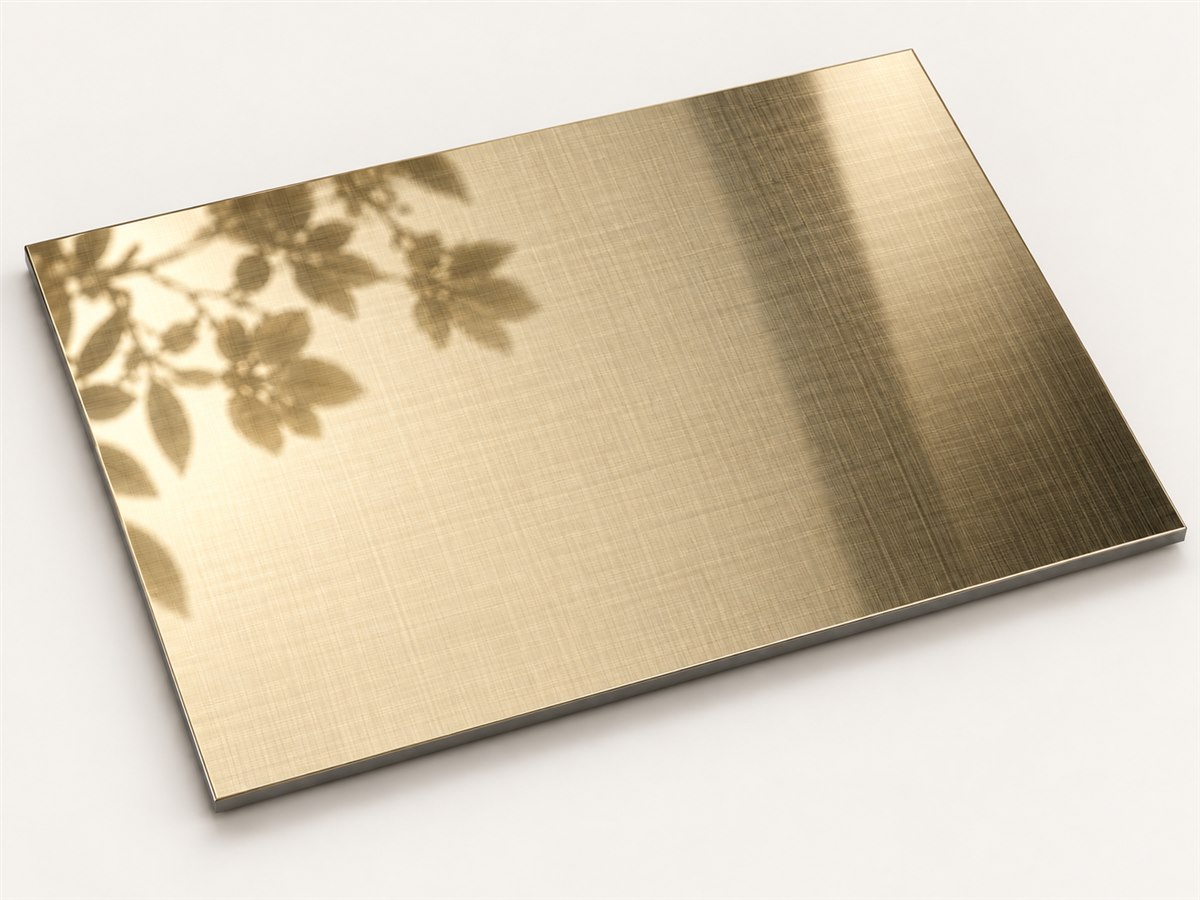
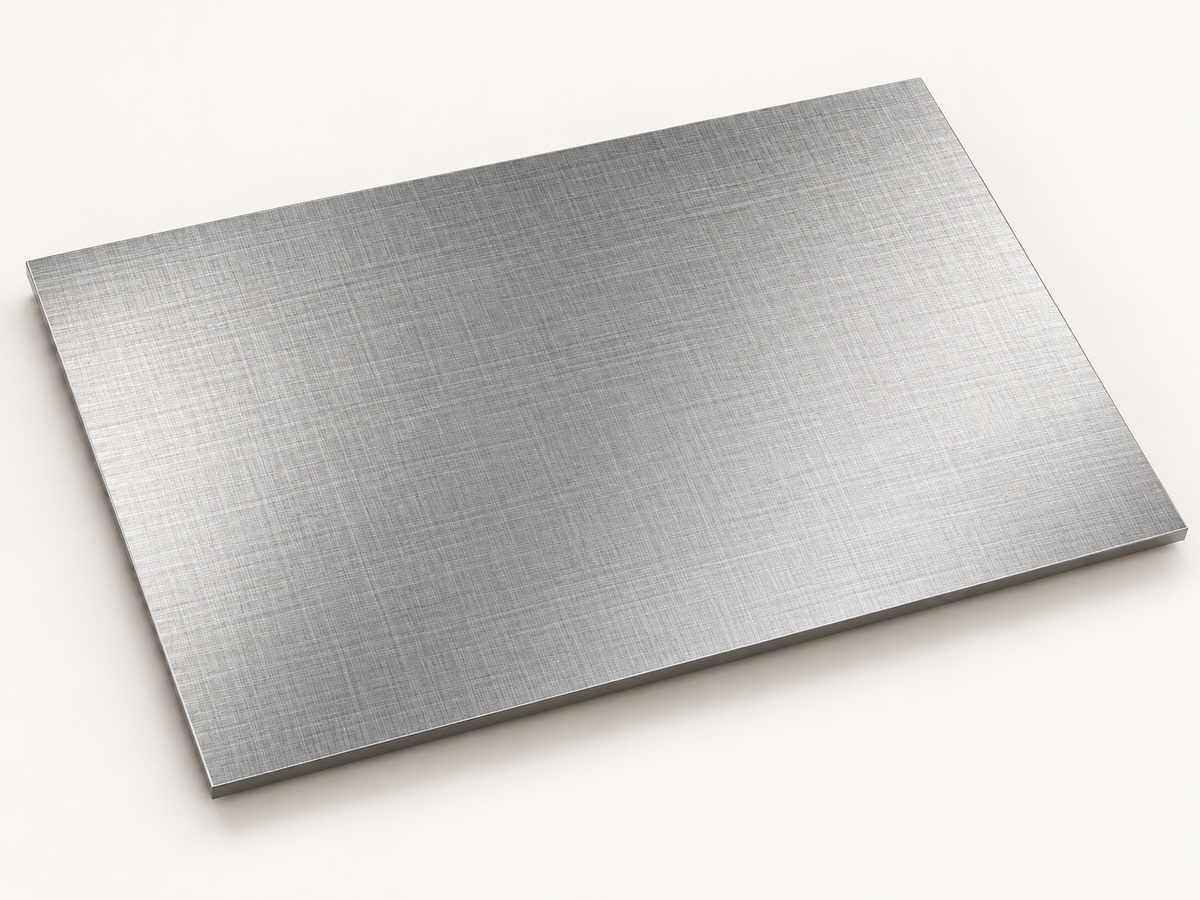
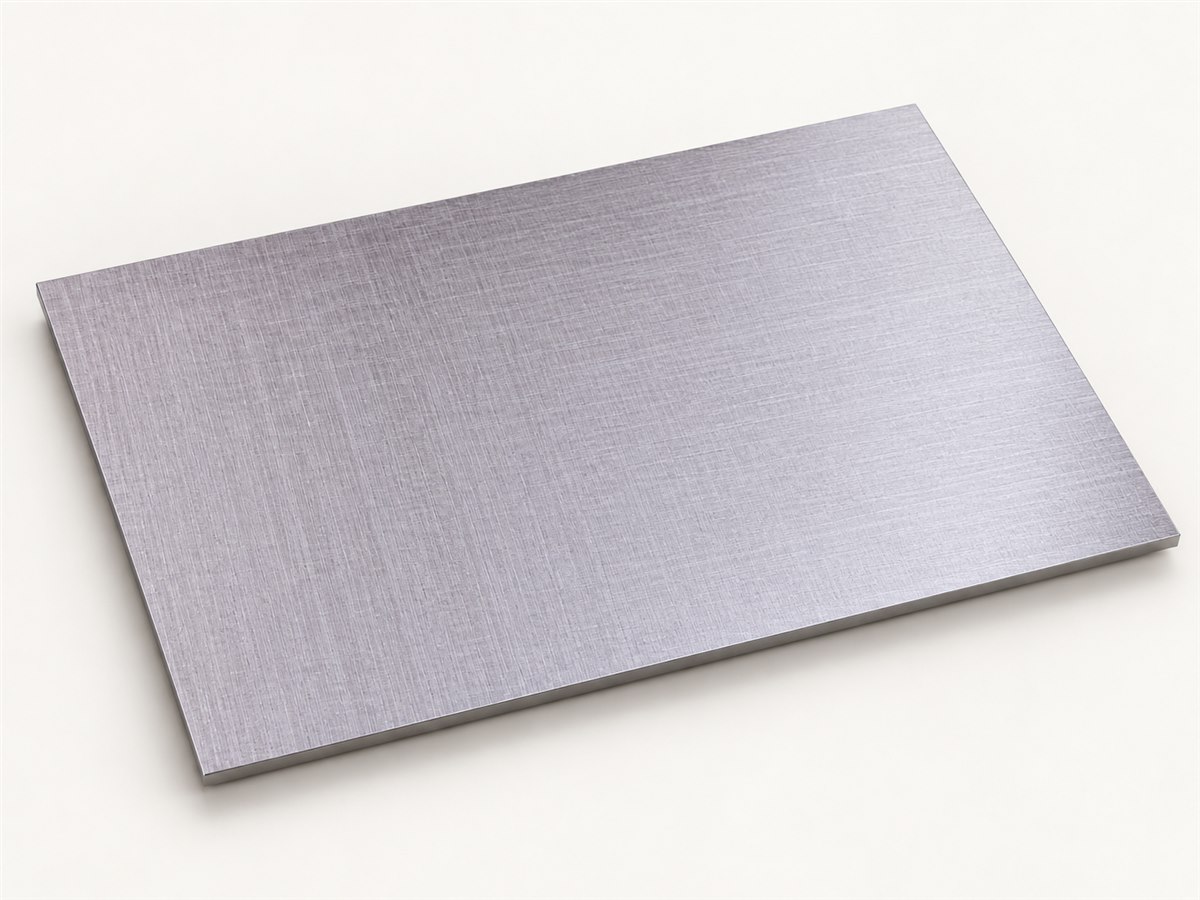
No matching finishes. Try another name or reference code.
SELECT / SPECIFY / FABRICATE
Understanding Cross Hairline.
Cross-grain angle, base reflectivity, panel orientation and adjoining faces.
Appearance & process
Cross Hairline combines brushed lines in intersecting directions rather than one continuous axis. The reference description includes diagonal, matrix-like grain, and the rose-gold example combines a mirror base with crossed grain and PVD colour. Grain angle, density and the underlying reflectivity work together to define the appearance. The name alone does not specify a fixed angle for every reference.
Visual characteristics and advantages
Crossed lines give a visible panel more than one directional cue. They can introduce a geometric surface character and a changing visual texture as the viewing angle moves. The balance between crossed grain and the underlying reflection varies between references.
Selection considerations
Provide panel orientation, joint positions and visible return details. Agree the cross-grain angle and density from the selected reference rather than assuming a universal pattern. Confirm any reflective base and colour treatment with the fabrication requirements.
Architectural applications
Discuss cross hairline for feature wall panels, column surrounds, entrance details or display elements where the surface pattern is intended to be visible. In hotel lobbies, retail spaces or restaurant interiors, review the pattern alongside nearby glass, stone or other metal finishes. Panel layout determines how the crossed grain reads across a larger feature.
Fabrication considerations
Share panel boundaries, openings, returns and the preferred location of visible joints. Where a reference combines a reflective base and crossed grain, identify which appearance should be retained after cutting, bending or joining. Review the construction sequence and finish continuity with the fabrication details, rather than specifying the grain independently of the final shape.
Questions to help your selection
Is Cross Hairline the same as Vibration?
Cross Hairline uses intersecting directional lines. Vibration has a more irregular multidirectional grain. Compare their overall texture and reflection under the lighting planned for the project.
Does every cross hairline reference use the same angle?
No. Select the complete grain appearance and identify its orientation on the drawings. The category name alone does not define a fixed angle or line density.
Care & protection
Cleaning requirements follow the selected base finish, colour layer and protective treatment. Ask for the applicable method when the finish is agreed, and include any frequent-touch areas in the project brief so their surface requirements can be reviewed.
What to share with us
Send the selected reference code with a drawing, CAD file, rendering or reference image, approximate dimensions, quantity and intended environment. Mark the visible faces and explain how the component will be used. If you have a material grade, colour sample or cleaning requirement, include it. FABRITERA reviews the manufacturing details and confirms the agreed finish and colour reference for the proposed component.
Discuss your project ↗