 ARCHITECTURAL METALWORK
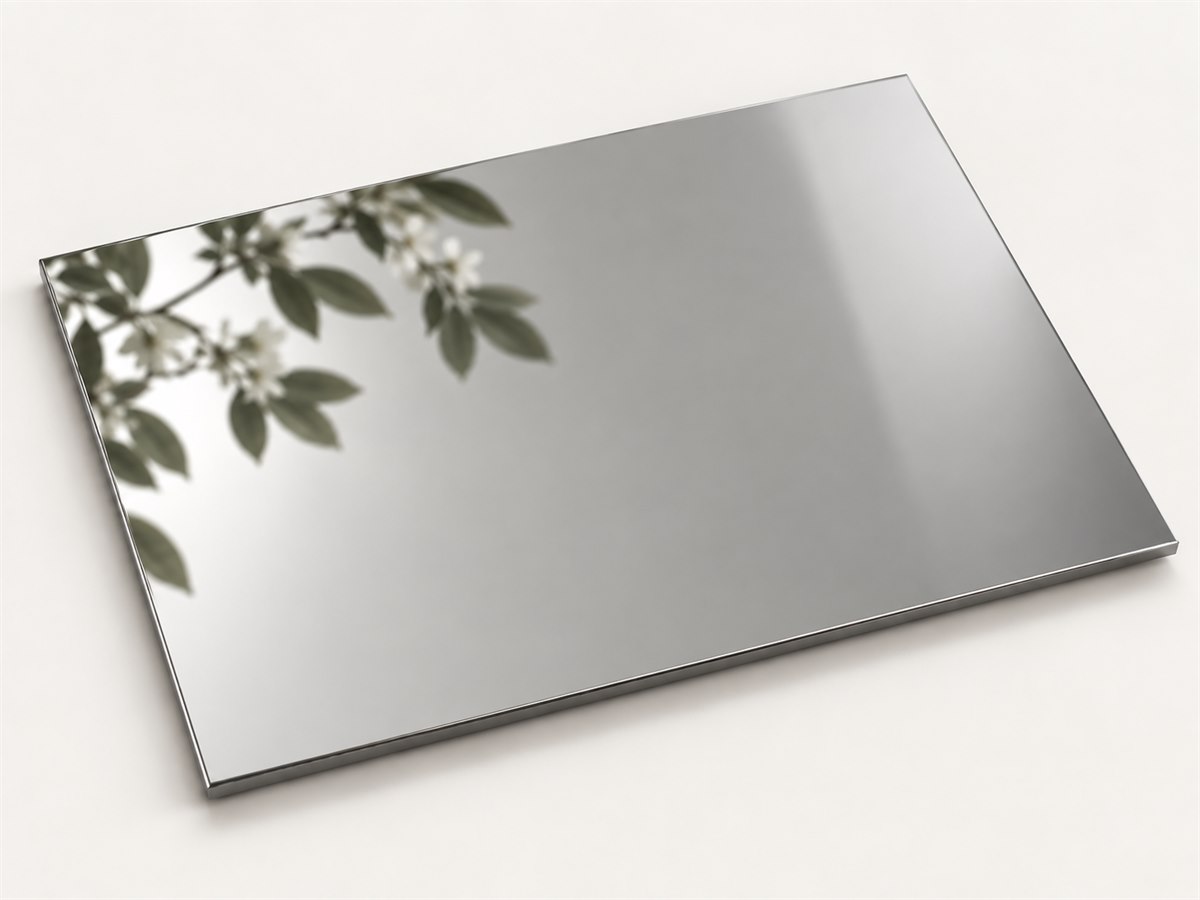
Mirror Polished Stainless Steel
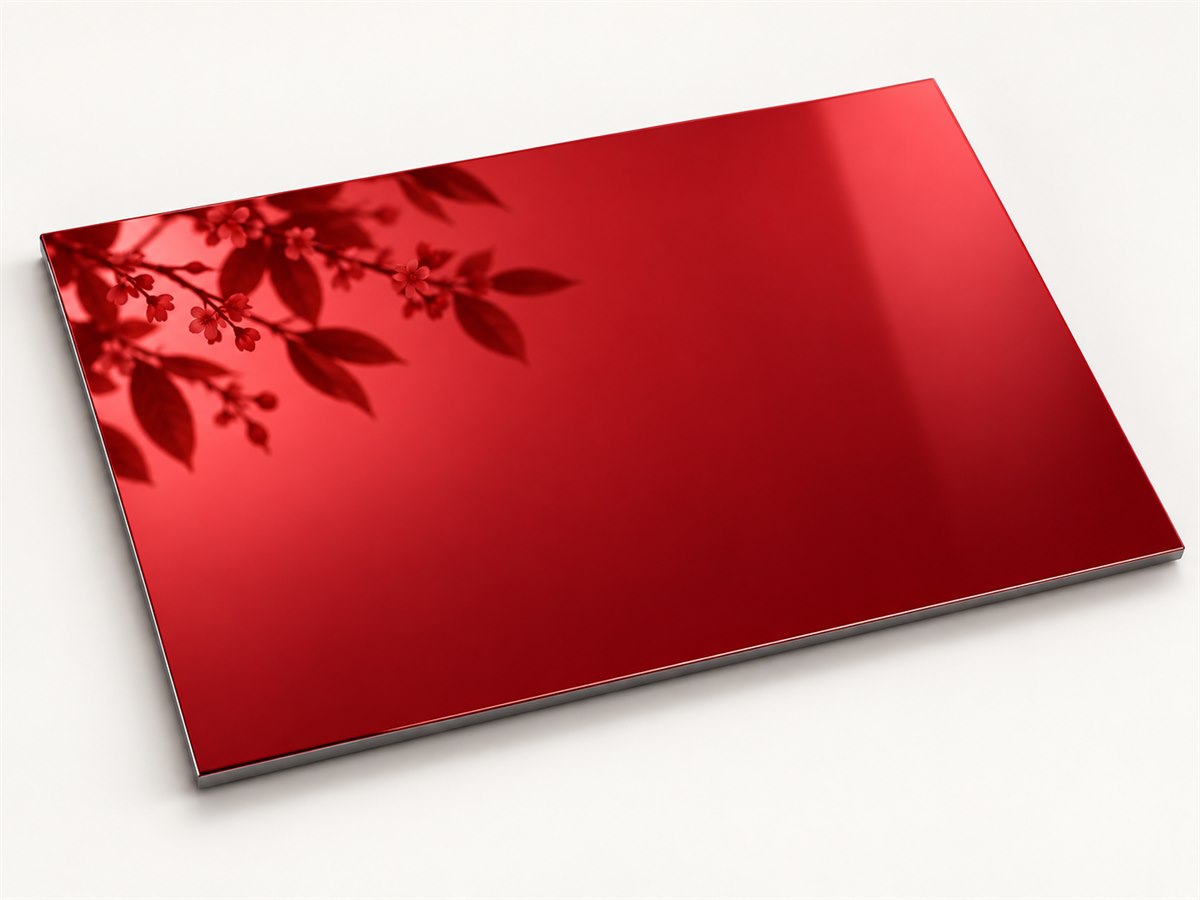
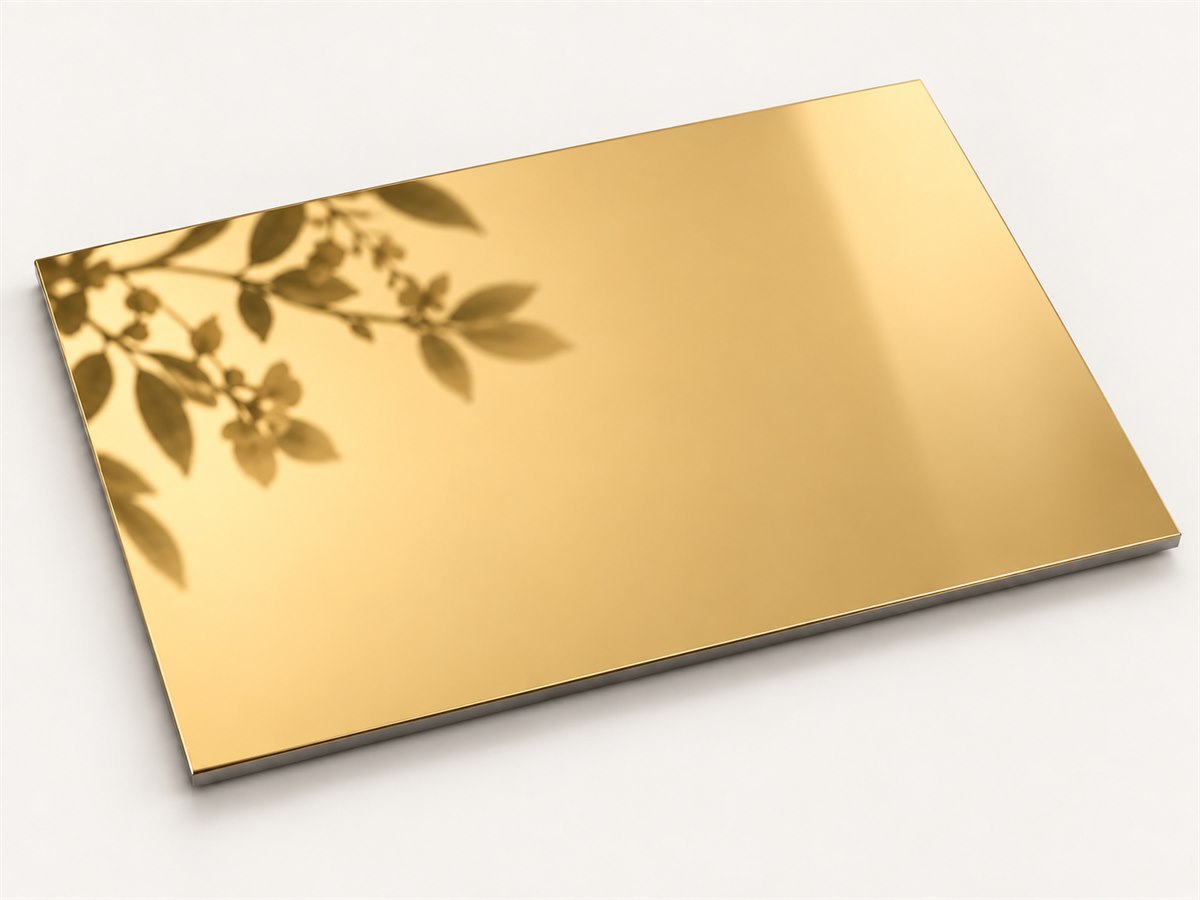
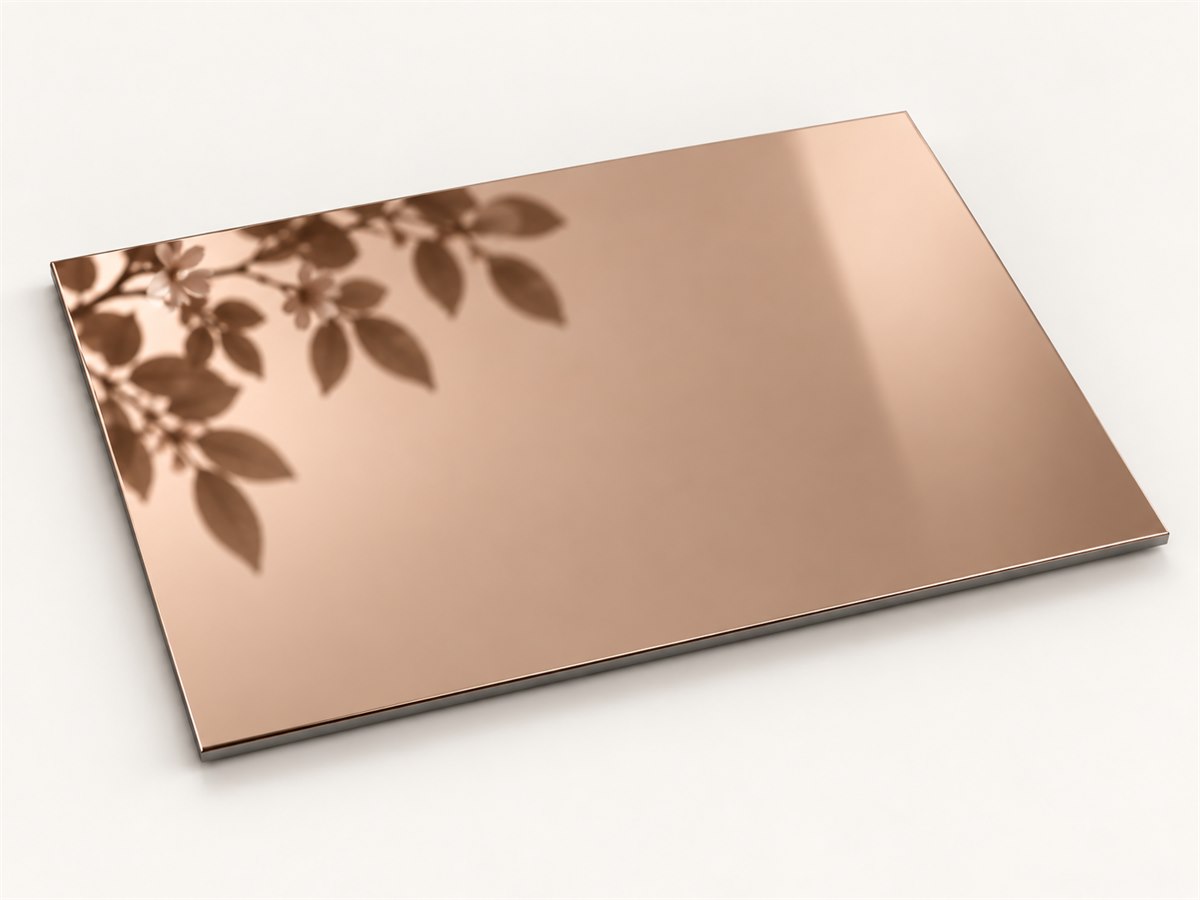
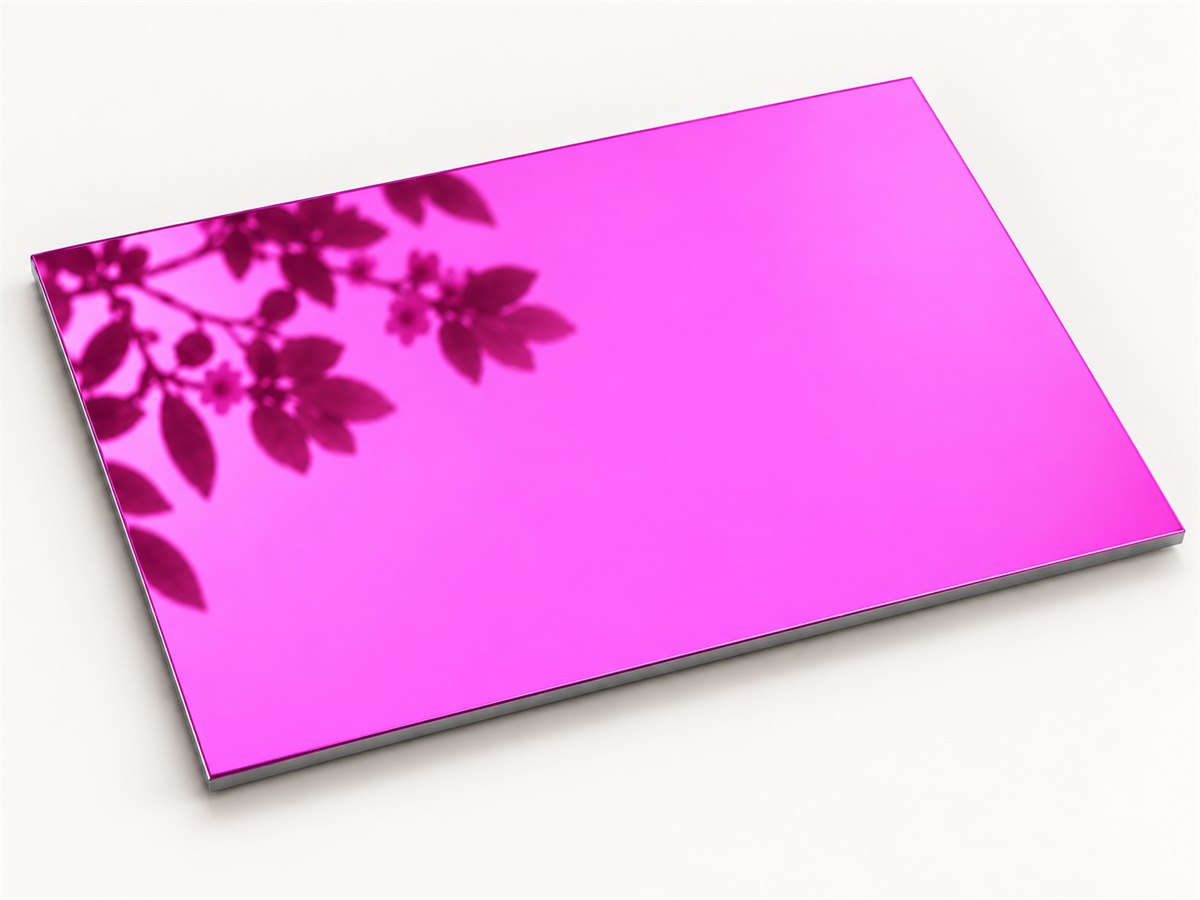
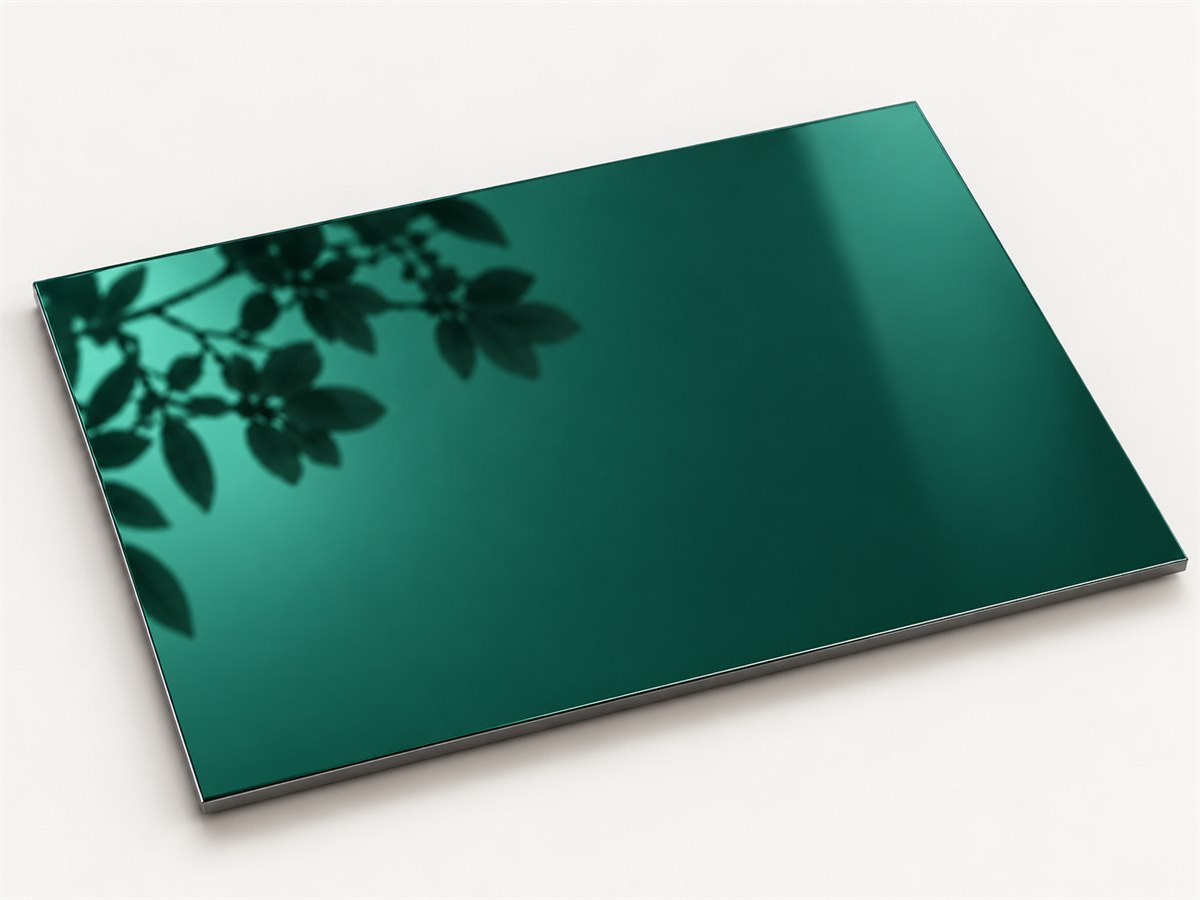
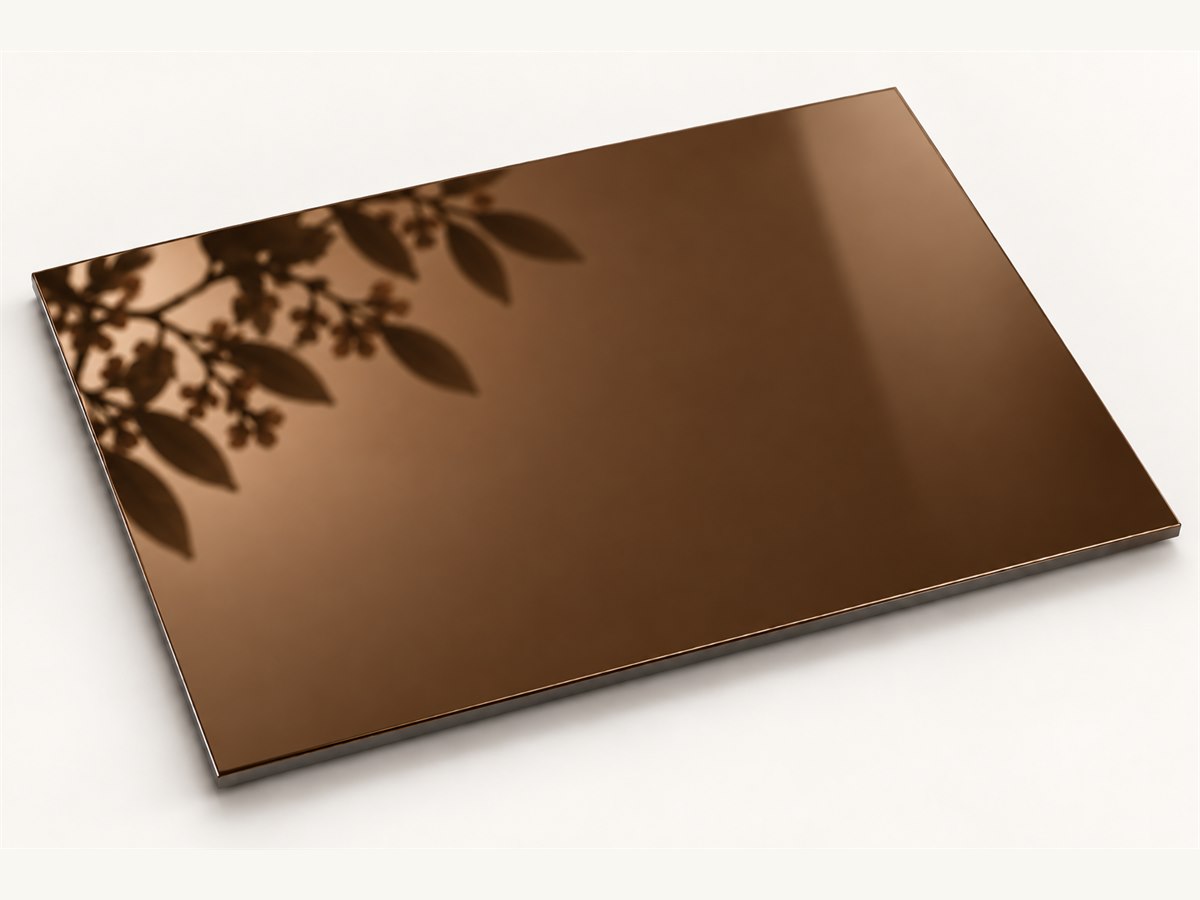
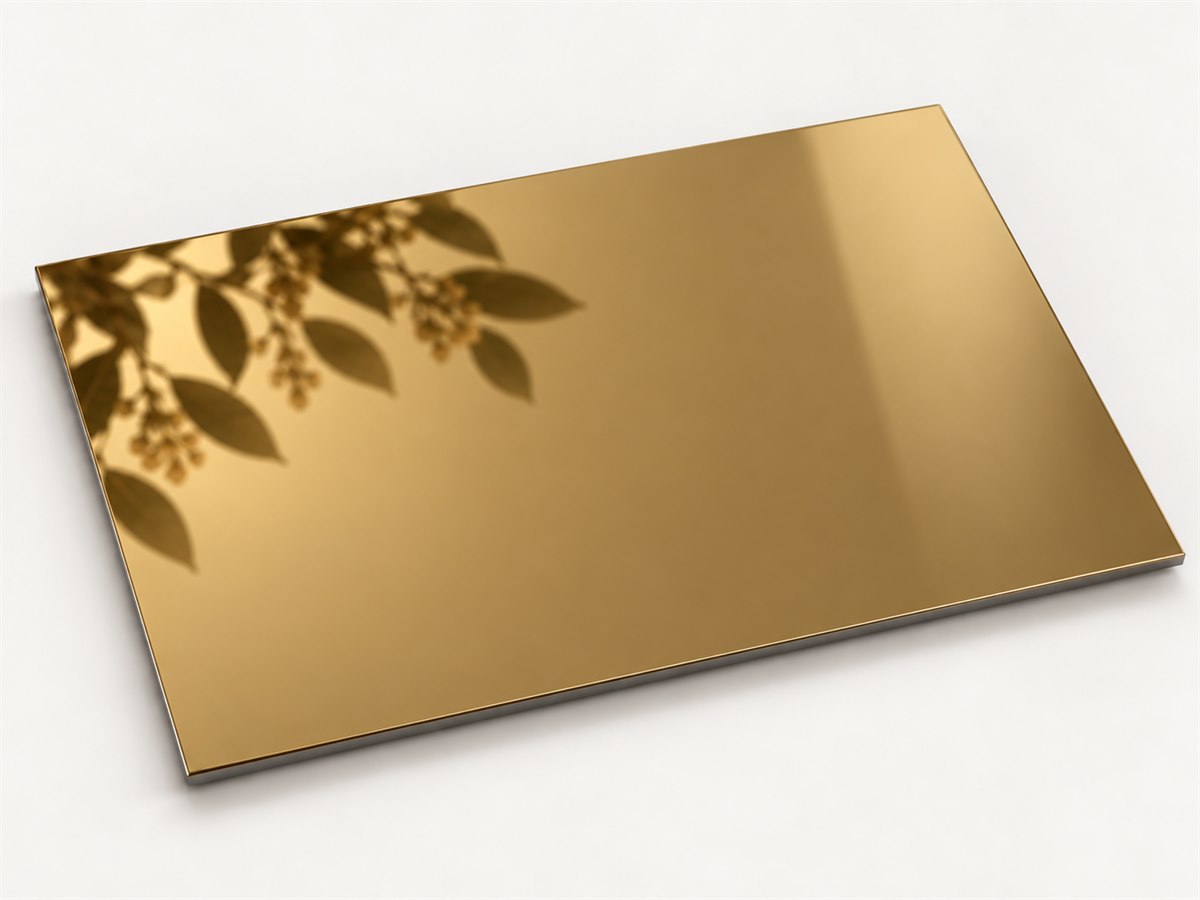
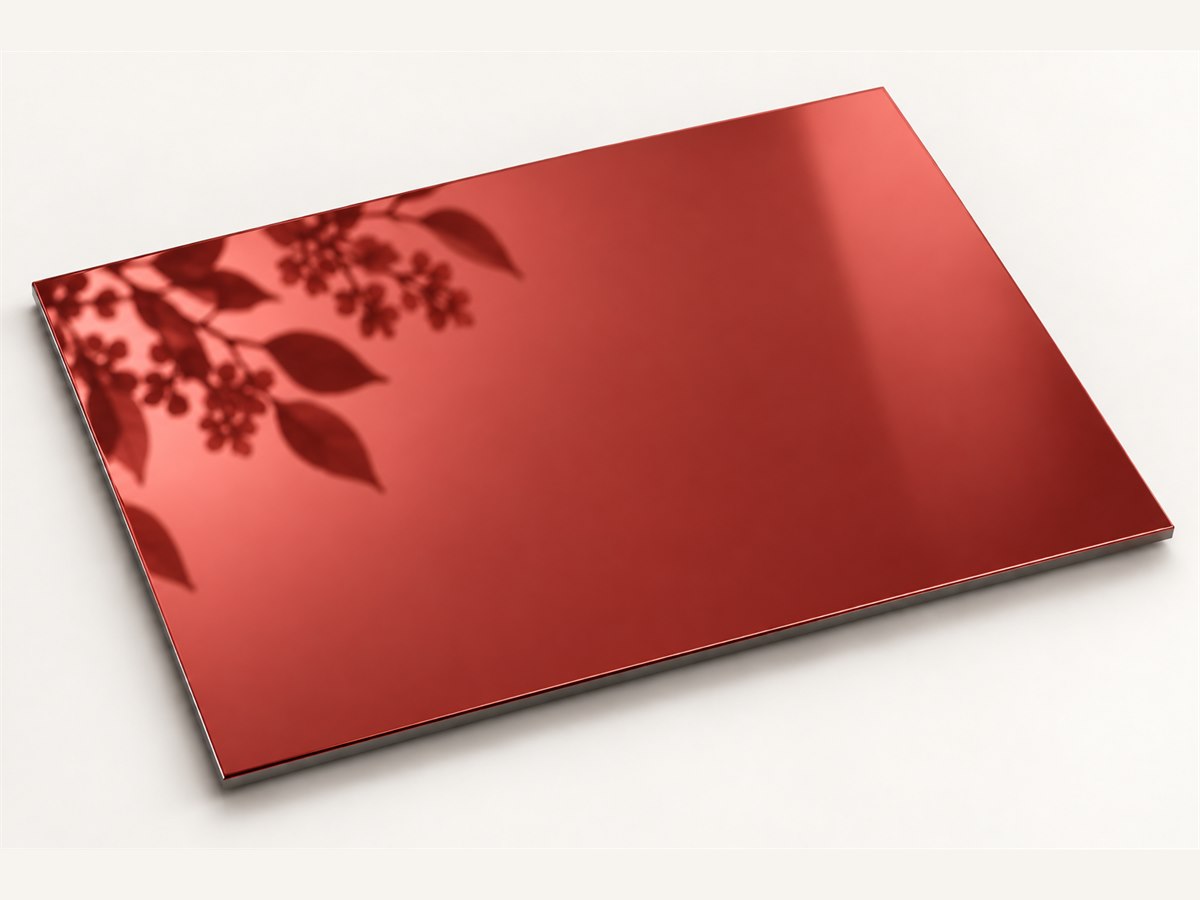
Mirror polished stainless steel uses reflection as part of the design. Explore references for decorative panels, frames and complex custom metalwork, then confirm the polishing appearance, colour and visible construction details for your project.
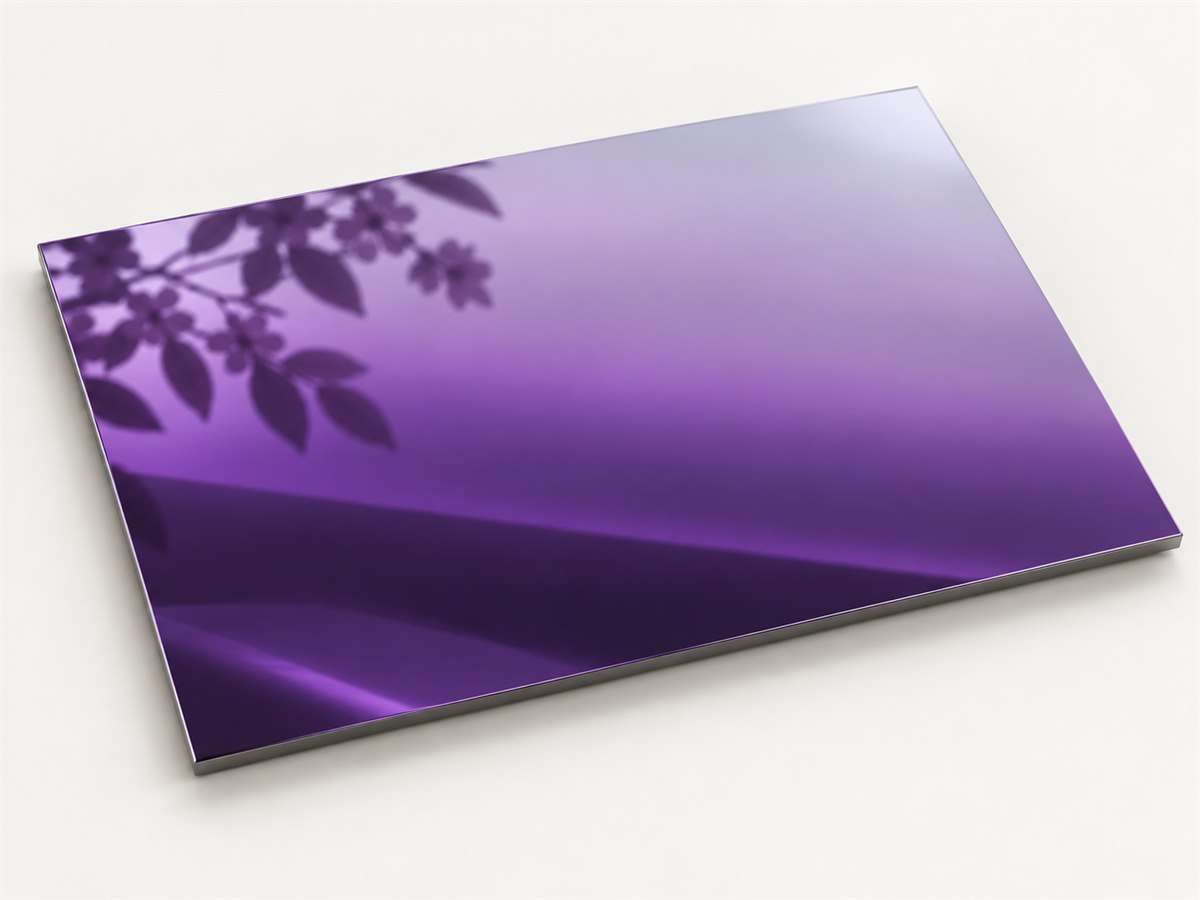
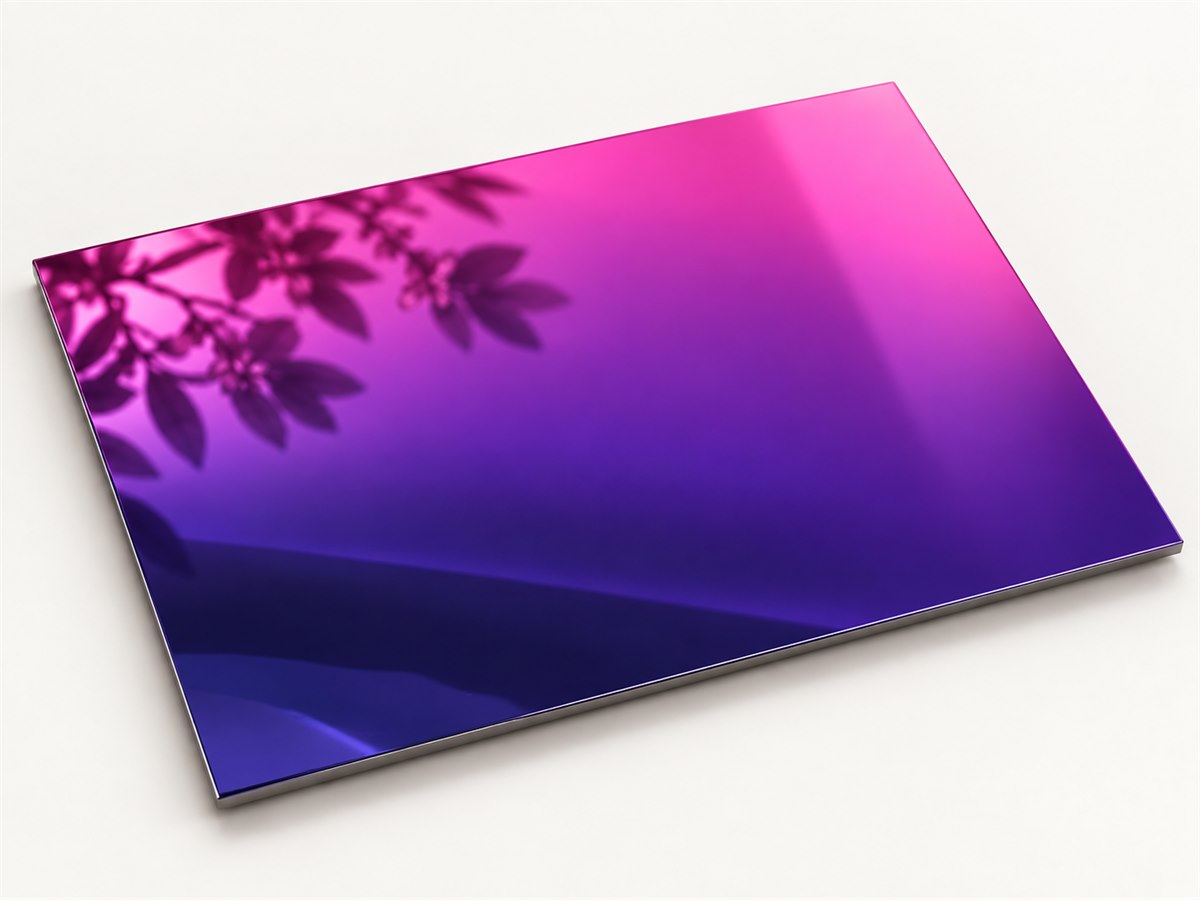
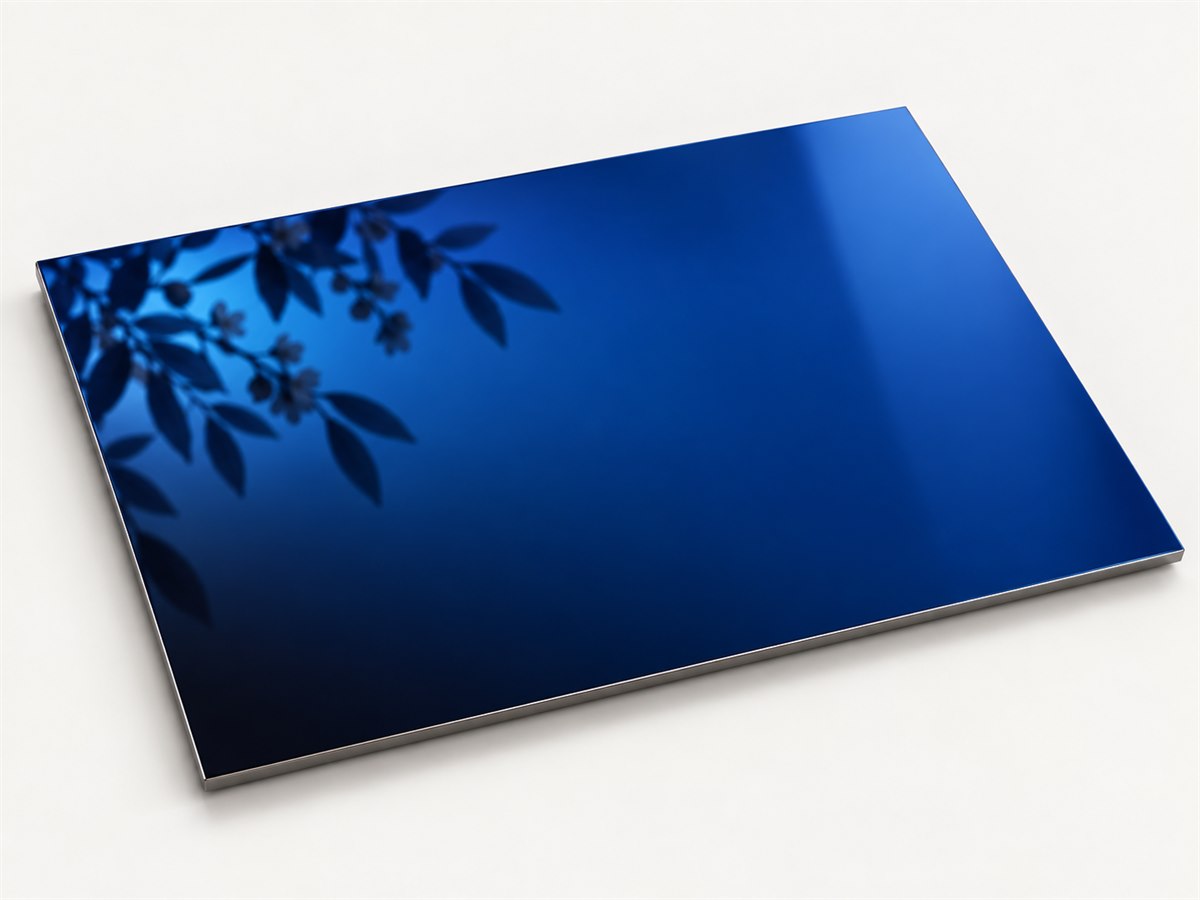
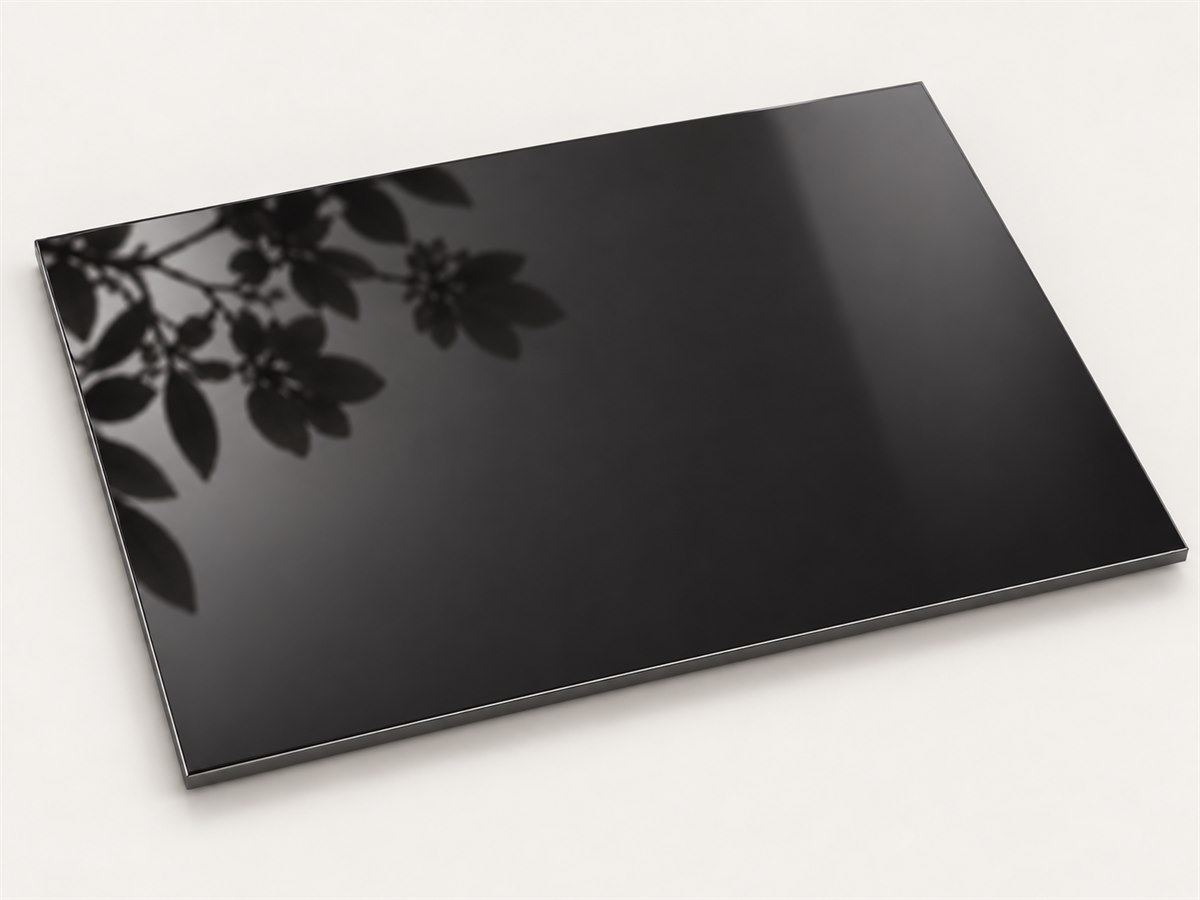
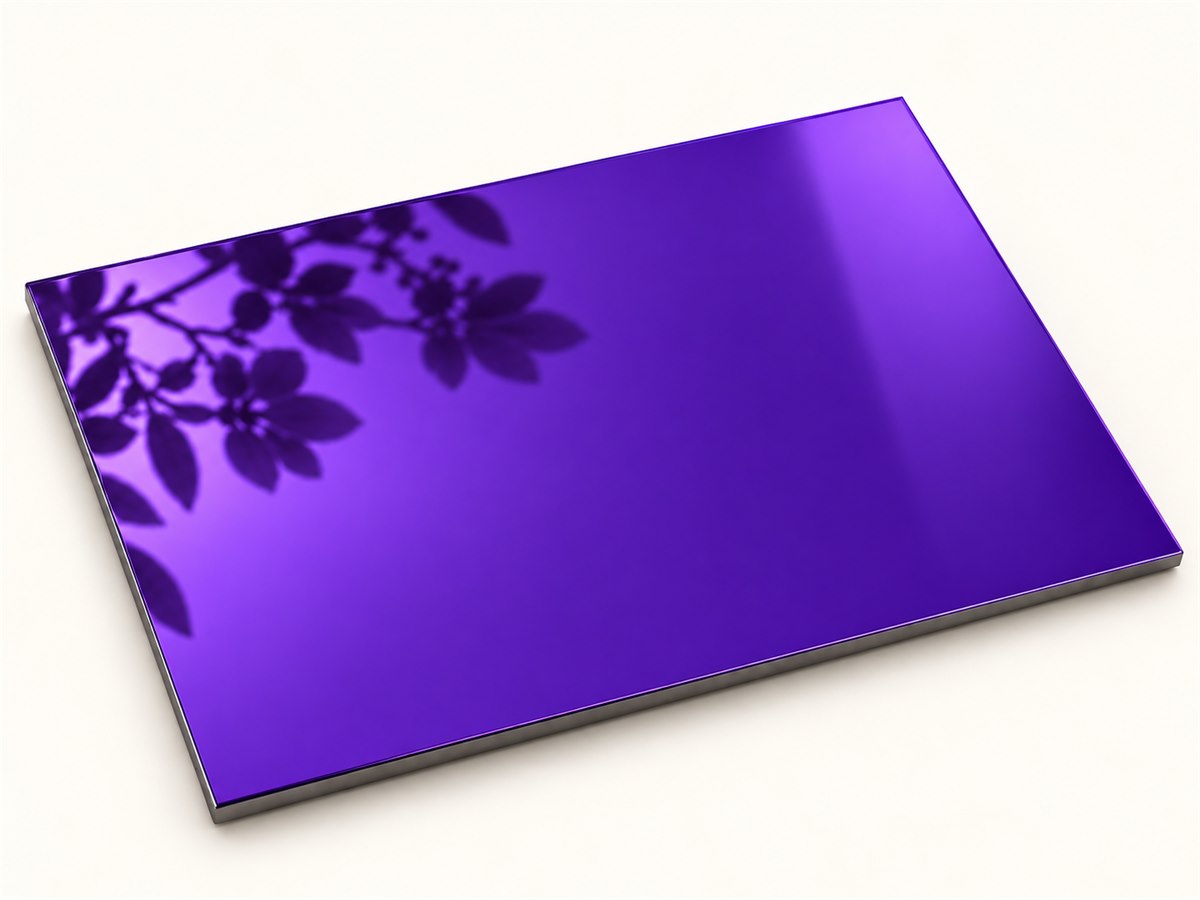
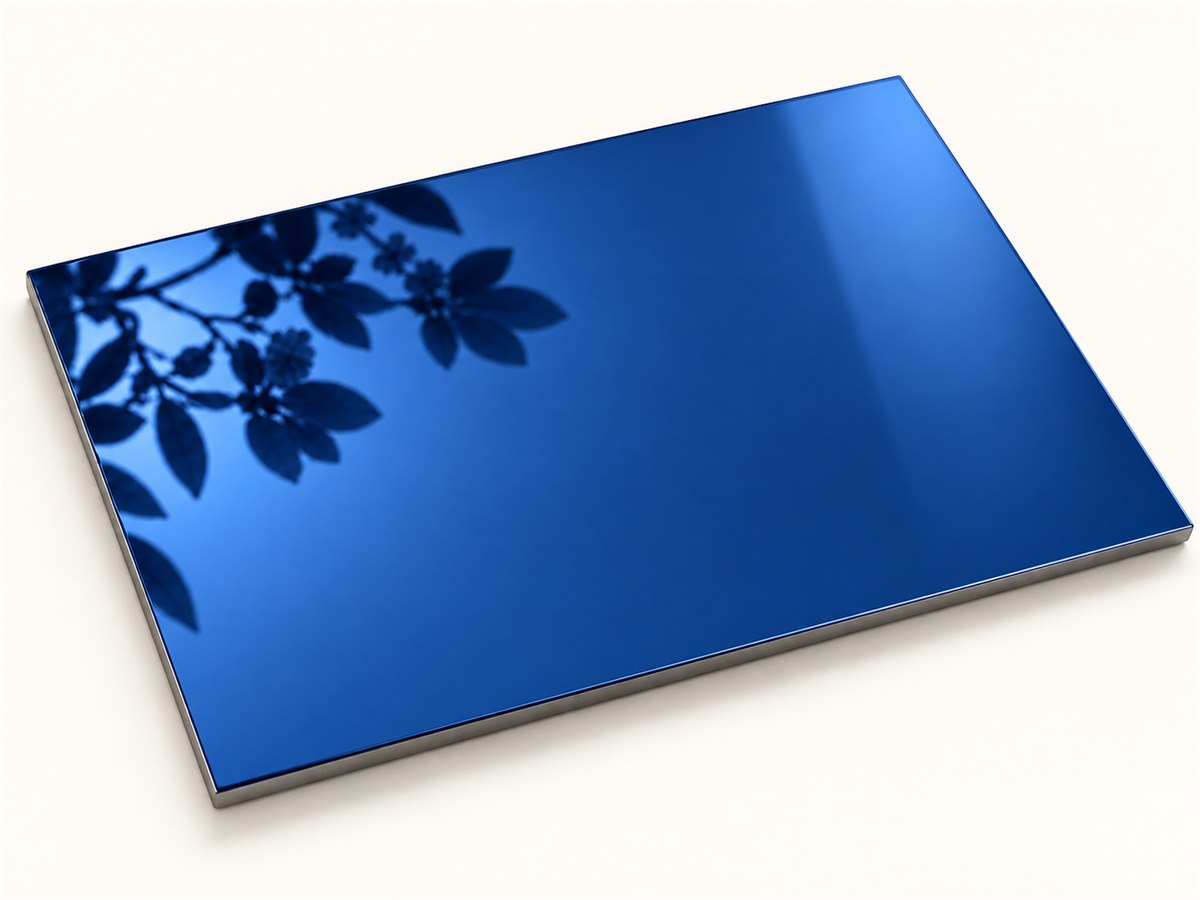
No matching finishes. Try another name or reference code.
SELECT / SPECIFY / FABRICATE
Understanding Mirror.
Reflection, polishing requirement, gradient direction and visible joints.
Appearance & process
Mirror is produced through progressive grinding, polishing and buffing to create a smooth reflective surface. Reflection becomes part of the appearance: surrounding objects, lights and viewing angle influence what a panel looks like. PVD colour is a separate layer or choice. The library includes both solid-colour and gradient references. A Mirror family label does not automatically establish an 8K specification.
Visual characteristics and advantages
A reflective surface brings surrounding colours and light into the appearance of a metal feature. It can create a bright visual accent or emphasise the form of a curved component. Reflected objects, sightlines and lighting are therefore part of the selection discussion.
Selection considerations
Identify important sightlines, visible seams and the required reflection. Agree polishing terminology explicitly; Mirror does not automatically mean 8K. For gradient colour references, mark the intended transition direction. Review component support and surface protection with the fabrication details.
Architectural applications
Discuss mirror stainless steel for restaurant partitions, hotel entrance features, decorative wall elements or complex custom metalwork. The existing Foshan restaurant case shows a confirmed mirror-finish partition with glass. Use that case to understand an assembled product, while selecting the polishing level and colour for your own component separately.
Fabrication considerations
Identify the important visible faces, reflected sightlines, joints and curved areas in the project information. Discuss support, component construction and surface protection together with the finish. Where several parts are assembled, review how their surfaces and reflections meet. Finished component dimensions and the manufacturing sequence are confirmed separately from available sheet widths.
Questions to help your selection
Are Mirror and 8K interchangeable?
They should not be assumed to be interchangeable. Confirm the polishing requirement and agreed appearance reference. A specific project's 8K finish does not establish an 8K specification for the whole library.
How should a coloured mirror finish be specified?
Record the reflective finish and colour separately, then agree their combined appearance. Lighting, viewing angle and any gradient direction affect how the selected surface reads.
Care & protection
Agree suitable protection during handling and installation, followed by a cleaning method for the actual finish. The selected polishing level, colour layer and any anti-fingerprint treatment should be recorded together. Photographs remain selection references; the agreed appearance reference controls the production target.
In architectural metalwork
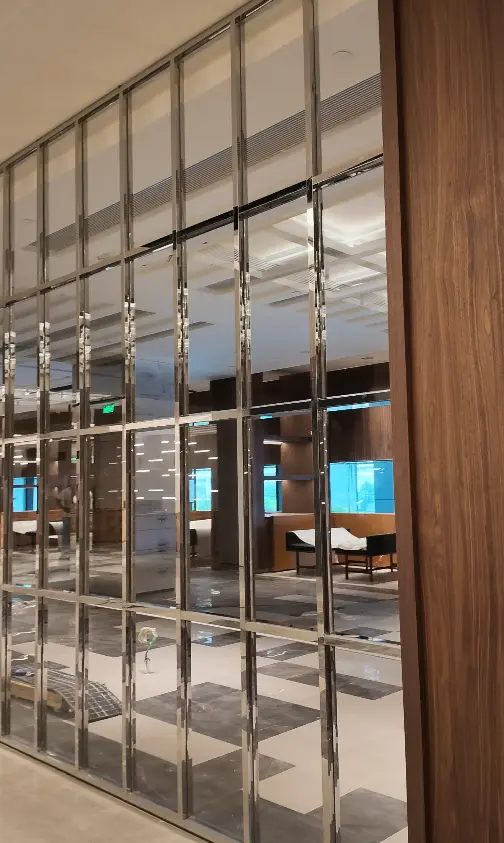
Foshan restaurant partition · confirmed 8K mirror finish
Explore the example ↗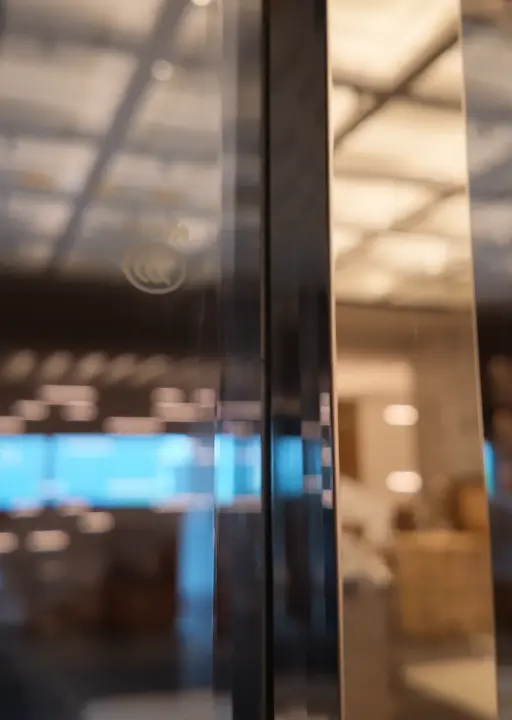
Close view of the mirror-finished frame and glass interface
Explore the example ↗What to share with us
Send the selected reference code with a drawing, CAD file, rendering or reference image, approximate dimensions, quantity and intended environment. Mark the visible faces and explain how the component will be used. If you have a material grade, colour sample or cleaning requirement, include it. FABRITERA reviews the manufacturing details and confirms the agreed finish and colour reference for the proposed component.
Discuss your project ↗