 ARCHITECTURAL METALWORK
Materials & Finishes
PVD Coating for Stainless Steel: How the Process Works
A champagne-gold partition, a bronze-toned wall panel and a dark metallic display frame can all use PVD finishes. Their appearance depends on the prepared stainless steel, its grain and reflection, the coating system and the shape of each component.
For custom architectural metalwork, specifying PVD means connecting the desired appearance with the actual product. This guide explains the main processing stages and the details that designers, contractors and procurement teams should confirm before production.
How PVD creates a decorative surface
PVD stands for physical vapor deposition. It describes a family of vacuum processes that transfer material from a solid source into the vapor phase and deposit a thin film onto a component. The component or material being coated is called the substrate. Hauzer explains this basic deposition principle.
Different methods generate the coating material. Thermal and electron-beam evaporation heat a source; cathodic arc evaporation uses an electrical arc. Sputtering ejects material from a target through energetic particle bombardment. Reactive gases can participate in forming compound films. These are different routes within PVD, rather than one universal machine cycle. Kurt J. Lesker distinguishes the deposition methods.
For a project brief, the useful distinction is between the deposition process, the deposited material and the commercial color name. “Gold PVD” describes an appearance without, by itself, identifying the coating composition.
Prepare the texture before adding color
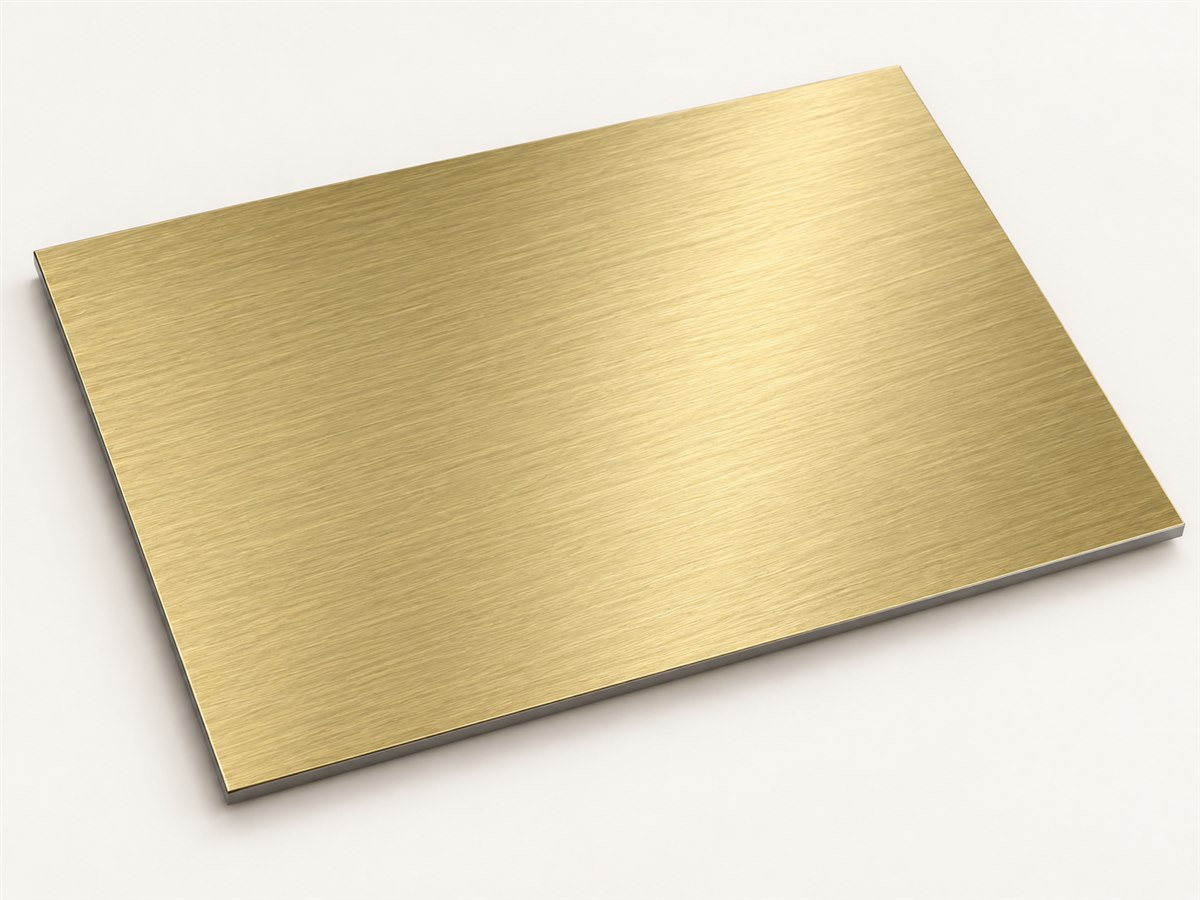
Decorative PVD generally follows the texture of the prepared surface. A brushed grain remains different from a mirror surface after coating; the film is not a leveling treatment for scratches or uneven polishing. Ionbond describes how decorative PVD replicates the underlying texture.
Preparation therefore needs to consider the complete fabricated component. Review weld transitions, corners and exposed edges alongside the broad faces. A flat finish reference helps establish the intended appearance, while the actual product introduces curves, joints and changes in viewing angle.
On a directional finish, mark the grain as it will appear after installation. For a partition with repeated frames or panels, discuss the intended direction across adjacent components. This gives the fabrication team a clearer requirement than a color name alone.
For comparisons between hairline, brushed, mirror and other surface descriptions, see the stainless steel finishes guide.
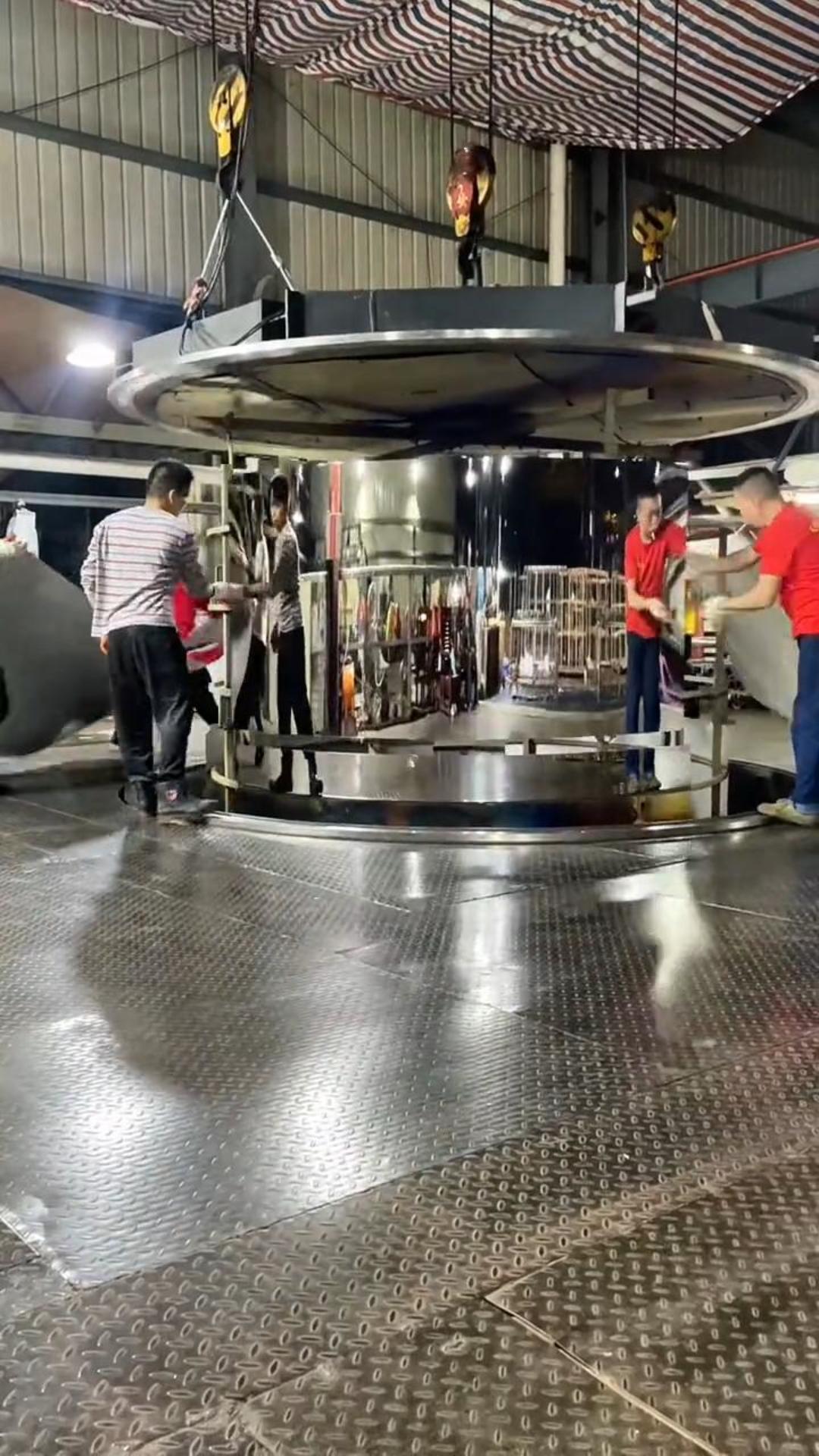
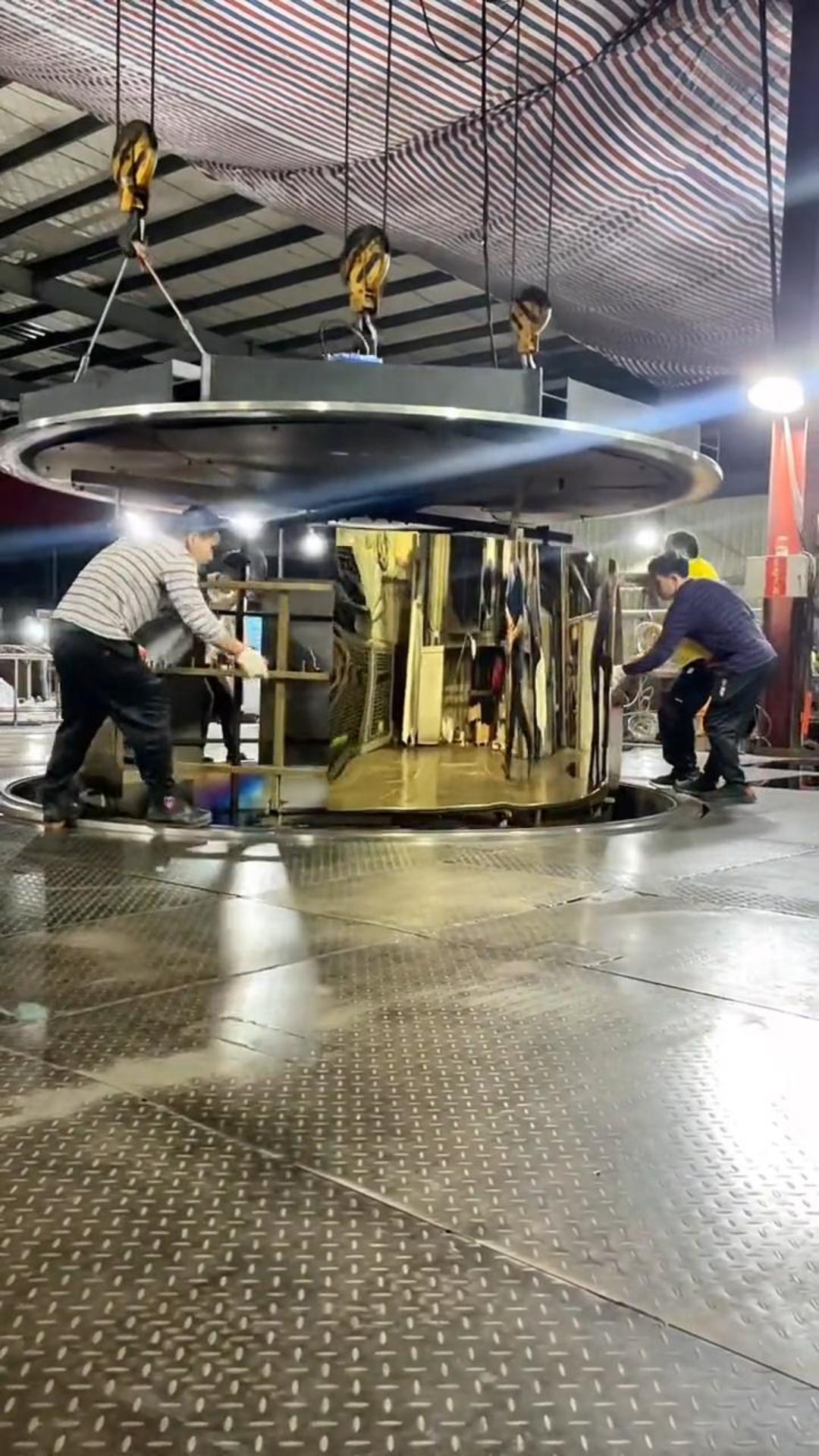
From cleaning to vacuum deposition
The processing route depends on the component, its surface condition and the selected coating system. The stages below explain what each part of preparation is intended to achieve; the detailed sequence is established for the product being made.
Remove manufacturing and handling residues
Oils, polishing residues and loose particles can remain after fabrication or handling. Cleaning should address those contaminants, including residues around joints and recessed features. Surface cleanliness matters to film adhesion. Semicore discusses contamination and pre-cleaning before PVD.
The cleaning method needs to suit the actual residues, stainless steel surface and component geometry. Rinsing, where part of the selected cleaning route, also needs to leave the surface ready for subsequent preparation. A visually clean broad face does not establish the condition of every joint or enclosed feature.
For a mixed-material product, identify which parts will undergo coating and which will be assembled later. Glass, lighting, seals or other attached elements need to be considered when establishing the manufacturing sequence.
Distinguish drying from other heating stages
Drying removes retained cleaning liquid. A pre-coating bake, where specified, may help release adsorbed moisture. The relationship between moisture, heat and vacuum is explained in Lesker's guidance on drying and baking.
Heating during deposition serves the selected coating process. Curing a separate protective coating, if required, is another operation. These stages have different purposes, and not every finishing route includes all of them.
For the actual component, the temperature, duration and handling conditions must suit the selected system and any heat-sensitive features. Clean handling and dust control after preparation help maintain the required surface condition until coating.
Plan loading around the visible surfaces
Components need support inside the coating equipment. Their orientation, spacing and movement, where used, affect how surfaces are presented to the deposition source. Hidden features and deep recesses can present coverage limitations, as Ionbond notes in its decorative coating guidance.
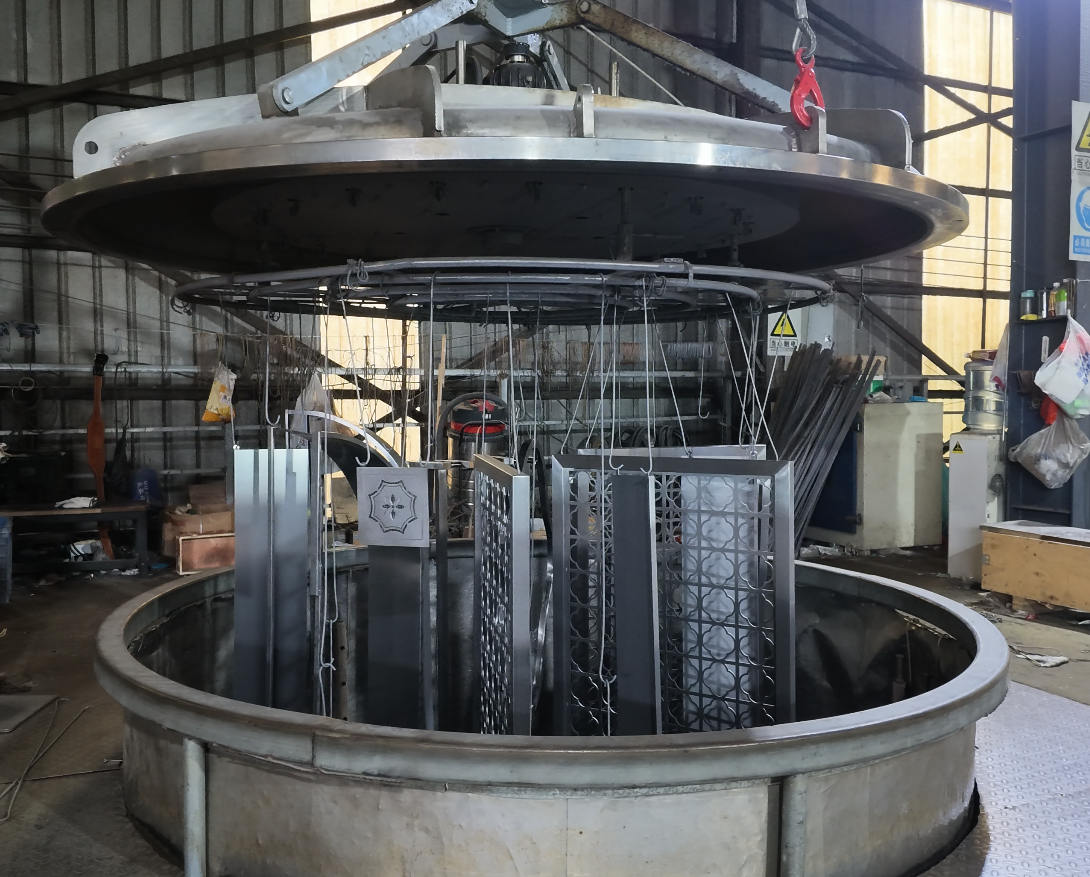
Identify the faces that matter in the installed product: both sides of a freestanding partition, the underside of a suspended feature, or the returns around an opening. Discuss support positions and the coating required around edges and recesses. Achievable coverage depends on the method, geometry and loading arrangement.
For example, specifying only the front face of a screen can leave an important question unanswered when its reverse side is also visible from a seating area. Marking both faces and exposed returns on the drawing makes the requirement clear before processing.
Carry out the controlled deposition cycle
The chamber is evacuated and the selected coating cycle proceeds under controlled conditions. Some systems include in-chamber plasma cleaning or etching before deposition. This has a different role from removing fabrication residues outside the chamber. Semicore distinguishes chamber-based treatment within its pre-cleaning discussion.
The source material, gases and operating conditions influence the film produced. Composition, thickness and any specified performance requirements should be confirmed for the actual coating system. A general description of PVD is not a substitute for those project requirements.
Confirm color, texture and reflection together
Decorative PVD color is related to the coating composition; Hauzer's decorative coating information describes this relationship. The visible appearance also needs to be reviewed with the prepared texture and reflection.
Record the following separately so that the finish brief describes a component rather than a color swatch alone.
| Detail | What to confirm |
|---|---|
| Base material | Required stainless steel and intended use conditions |
| Texture and reflection | Hairline, brushed, mirror or another agreed surface appearance |
| Color reference | Selected reference or existing finish to coordinate with |
| Grain and visible faces | Installed direction, both sides where visible, edges and returns |
| Additional protection | Any separate treatment, its appearance and care requirements |
A useful brief could read: Preferred appearance: champagne gold hairline. Grain direction: vertical when installed. Finished faces: both visible sides of the partition and exposed edge returns.
FABRITERA can use a customer-supplied physical sample as a reference for PVD color matching. This can help when coordinating with an existing finish. An initial enquiry can also begin with photographs or a selected reference; the finish and color are confirmed against the agreed reference before production.
For the reference-selection discussion, see how to confirm stainless steel finishes and colors.
Review the finished component and its protection
Define the appearance to be assessed before production. Relevant checks include color against the agreed reference, grain direction, visible marks and the specified finish across faces, edges and transitions. Compare the reference and component under consistent lighting and viewing orientation, with directional grain aligned where applicable.
Any additional performance or test requirements should be stated during the enquiry and reviewed for the selected system. Record the required test and acceptance basis separately from the visual assessment.
If a separate protective treatment is included after PVD, confirm its material, application, any required curing and suitable care instructions. The term “PVD finish” alone does not specify an anti-fingerprint layer or a particular transparent coating.
FABRITERA carries out final quality checks on completed products. Products requiring sectional shipment are fully preassembled and checked before being separated, numbered, protected and packed. The manufacturing sequence determines how coating and assembly fit together. The protection and packing plan should account for the decorative surfaces and subsequent handling.
Questions to settle for the project
Does a gold PVD finish contain actual gold?
A gold-colored film need not contain metallic gold. Confirm the composition separately when it is a project requirement. The color name, deposition method and material specification should not be treated as interchangeable.
Does PVD automatically provide an anti-fingerprint surface?
That property needs to be specified for the complete finish system. Confirm what treatment is included, the basis for any performance claim and the applicable cleaning instructions.
Can the same finish be specified for every location?
Provide the intended exposure conditions, including moisture, exterior use and cleaning practices where relevant. Review the substrate, coating and any additional protection together. A decorative color reference alone does not establish suitability for every environment or a service life.
Is the complete manufacturing route water-free or chemical-free?
Deposition takes place in a vacuum chamber, while the wider route may include wet cleaning, rinsing or additional treatments. An environmental description should identify the stages it covers. The chamber process alone does not establish the water, chemical or energy use of the complete route.
Discuss a PVD-finished metalwork project
FABRITERA manufactures custom stainless-steel and architectural metalwork from client drawings, CAD files, renderings or reference images. For a PVD-finished screen, partition, wall component or display frame, start with the product reference, approximate dimensions and quantity.
Add the preferred texture and color, visible faces, installed grain direction, intended environment and any specified protection. You can browse surface finish references, review what to send for a custom metalwork quote, or send a project enquiry.