 ARCHITECTURAL METALWORK
Materials & Finishes
Stainless Steel Finishes Explained for Architectural Metalwork
Compare mill finishes, directional grain and reflective surfaces, then connect the finish choice to your custom metalwork.
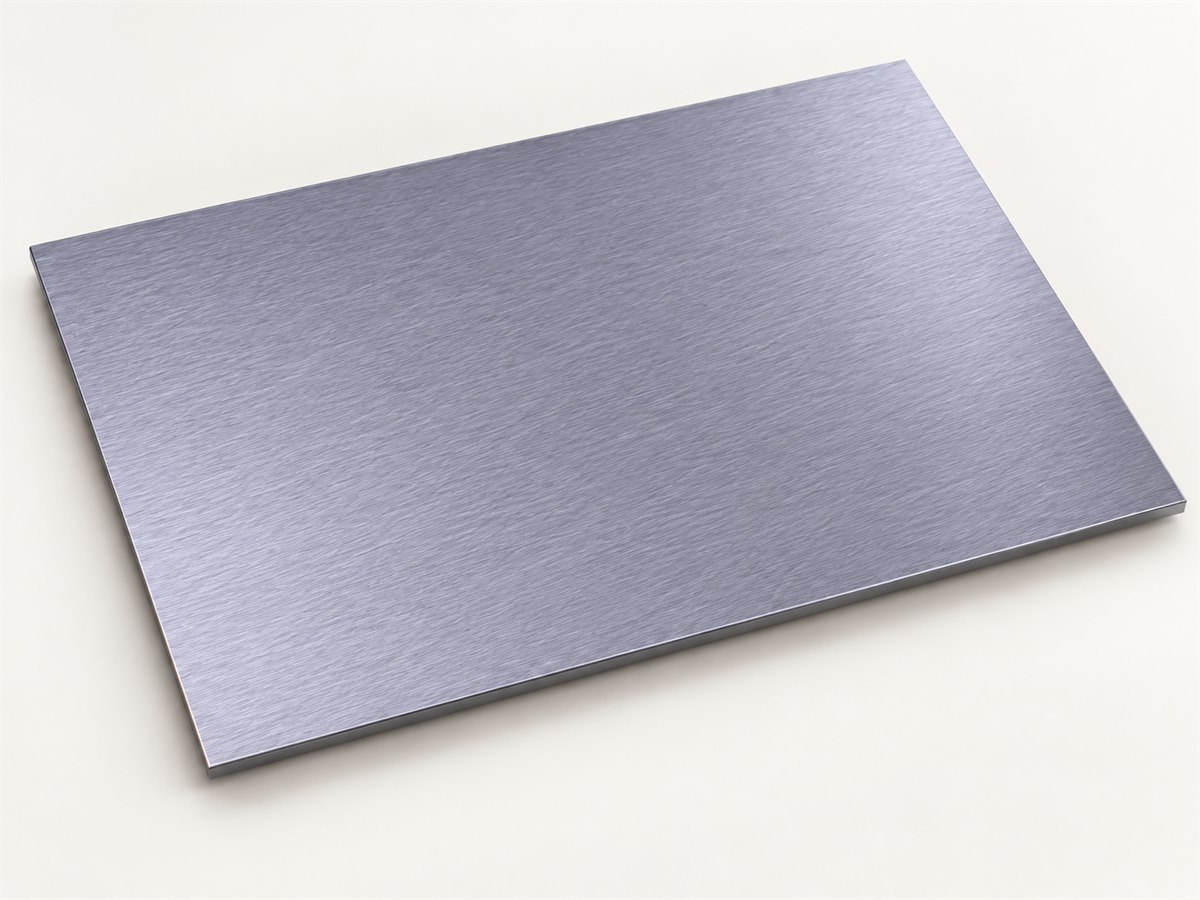
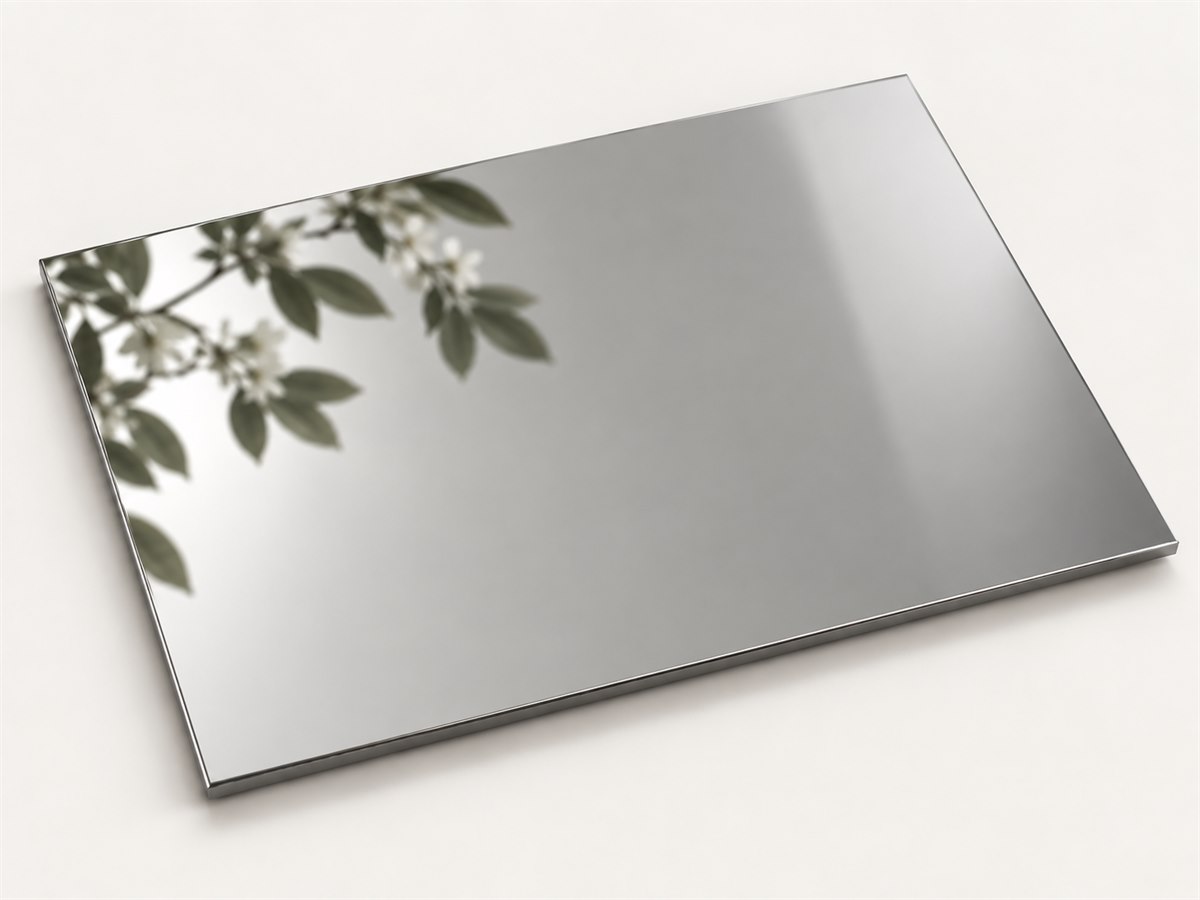
Two separate selection references from the FABRITERA library. Appearance, color and manufacturing requirements are confirmed for the project.
Stainless steel finishes describe how the surface has been processed and how it looks. Common choices include 2B and bright-annealed mill finishes, No. 4 and hairline directional finishes, reflective mirror finishes, and decorative textures. Color treatments such as PVD add another choice to the surface specification.
For a custom partition, wall panel or display frame, the useful question is how the selected finish will look on the finished component. A finish name helps start that discussion; the grain, reflection, color and fabrication details complete it.
Why stainless steel finish names need context
Finish descriptions come from different systems. Mill conditions, numbered polished finishes, supplier names and decorative processes are often listed together, even though they describe different things.
The Metal Finishes Manual distinguishes familiar ASTM A480 finish designations from names such as hairline and embossed. Treating every familiar name as a code from one universal standard can therefore create an incomplete specification.
For a U.S. project, identify any governing material standard separately, then agree the appearance required for the actual metalwork. The following chart is a practical comparison of common terms, rather than a substitute for a project specification.
Stainless steel finish comparison chart
Scroll horizontally to compare all three columns.
| Finish or description | Typical appearance | What to clarify for a project |
|---|---|---|
| No. 1 | Dull, comparatively coarse hot-rolled surface. | Whether the surface is exposed or will receive further finishing. |
| 2D | Dull cold-rolled mill finish. | Whether this mill appearance meets the visual brief. |
| 2B | Smooth mill surface with a gray sheen. | Whether it is the final surface or a starting condition. |
| BA, bright annealed | Bright, reflective mill finish. | The required reflection and any subsequent processing. |
| No. 3 | Intermediate abrasive-polished finish. | Whether further finishing is intended. |
| No. 4 | Visible directional polished grain. | Grain appearance and orientation on each visible component. |
| Hairline, HL | Fine, elongated directional grain. | The particular supplier reference and installed direction. |
| Satin | A soft sheen; the description varies between suppliers. | The actual appearance intended by the term. |
| Mirror; No. 8 where specified | Highly reflective polished appearance. | The finish designation and agreed reflection quality. |
| Embossed | A formed surface pattern or relief. | Pattern scale, orientation and treatment at edges and returns. |
The basic mill and polished descriptions are outlined in worldstainless surface-treatment guidance and the SSINA architectural handbook. Satin and other descriptive names require particular care because finishing terminology can vary, as explained by the British Stainless Steel Association.
2B vs. BA stainless steel finishes
Both 2B and BA are mill finishes. A 2B surface receives a final light pass through polished rolls after cold rolling, heat treatment and pickling. Bright annealing produces the reflective surface associated with BA; EN terminology commonly refers to this condition as 2R. The BSSA overview of surface finishes explains these process descriptions.
BA is generally brighter than 2B, but a bright mill surface and a mechanically mirror-polished surface result from different processes. A photograph showing a reflection does not establish which process was used.
For fabricated metalwork, discuss how forming, joints and visible edges will be treated. Selecting the starting sheet surface is one part of defining the completed appearance.
No. 4 vs. hairline vs. satin finishes
No. 4 is a familiar directional polished finish. Hairline emphasizes fine, elongated grain. Satin describes a visual character, and suppliers may use it for different finishing routes. These terms help describe a preference, but they do not establish one identical surface across every supplier.
If a quotation uses “SB,” ask the supplier to define the process and appearance intended by that label.
FABRITERA presents Brushed stainless steel references and Hairline references separately. In this selection library, Brushed identifies the directional No. 4 or satin family, while Hairline identifies fine, continuous long-grain appearances.
When comparing them, look at the prominence of the lines, their continuity and how they relate to the installed component. A vertical partition panel and a horizontal frame member may need different grain instructions.
A grit number alone is insufficient to define the finished appearance. Abrasive type and finishing conditions also matter, a point made in BSSA guidance on mechanical finishes. Agree the visual result as well as any required process description.
Mirror, No. 8 and the commercial term 8K
The SSINA handbook describes No. 8 as a highly reflective finish produced through successive polishing and buffing to remove essentially all preceding grit lines.
At FABRITERA, “mirror,” “No. 8” and the commercial term “8K” are clarified with the client when agreeing the finish specification. A Mirror selection reference is not automatically relabeled 8K, and these terms are not assumed to describe an identical result.
For a large feature, identify the important viewing positions and the extent of the reflective faces. Discuss how the finish should continue around bends, welds and separate components. The Mirror reference library helps establish the visual direction for that discussion.
What is a PVD finish on stainless steel?
PVD stands for physical vapor deposition. Decorative PVD coatings can add a metallic color while preserving the underlying surface character. The Metal Finishes Manual describes thin deposited color coatings through which the underlying pattern remains visible. Texture and color therefore need to be considered together.
For surface preparation and coating considerations on fabricated components, see how the PVD process works.
Decorative texture expands the choice beyond a flat directional or reflective surface. Embossed patterns introduce relief, etched designs create patterned areas, and vibration finishes introduce a multidirectional visual character. These options are compared through the FABRITERA Surface Finishes library.
Bead blasting can create a low-reflective, nondirectional surface. Its appearance depends on the blasting medium and process, as illustrated in the Euro Inox guide to stainless steel finishes. Bead blasting and sandblasting should be distinguished when discussing the required treatment.
For a FABRITERA project, finish, texture and color are confirmed as separate aspects of the agreed appearance. “Gold” describes a color direction; the brief still needs to identify the intended grain or reflection. Any specific performance requirement for a coating must be confirmed for the proposed construction.
Choose finishes for fabricated components
A finish comparison becomes more useful when it is connected to a component. Start with the drawing or reference image and identify the visual job the metalwork needs to do.
For screens and partitions, consider whether the grain should emphasize height, follow individual frame members or coordinate across several panels. Mark which faces are seen from each side.
For architectural metal cladding, consider the relationship between adjacent panels, returns and exposed edges. For a display frame, identify the surfaces most visible to the viewer and any junctions with glass or other materials.
Ask how the proposed finish will be handled around the fabrication details. Which welds remain visible? Does a return edge need the same appearance as the front? Should a pattern continue across a joint? These questions help define the scope of the manufactured item.
Material grade, thickness, environment and maintenance requirements are separate project decisions. A reflective finish or a decorative color does not, by itself, establish outdoor suitability. Outokumpu’s architectural guidance emphasizes selecting the appropriate grade for the environment.
Frequently asked questions
Is 2B stainless steel the same as brushed stainless steel?
No. 2B describes a mill finish. A brushed or directional polished appearance is created through additional surface processing. When the desired result is a visible grain, specify that appearance rather than rely on “2B” alone.
Is satin stainless steel always No. 4?
No. Satin is used as a descriptive term and can vary between suppliers. SSINA also describes a separate No. 6 soft satin finish with lower reflectivity than No. 4. Confirm the intended surface rather than use satin and No. 4 interchangeably.
Does a stainless steel finish determine the material grade?
No. Finish and grade describe different choices. The material grade and thickness must be confirmed for the component and its intended environment.
How do I turn a preferred finish into a clear project requirement?
Identify the selected appearance, color, visible faces and grain direction. Then confirm the reference used before production. Our guide to confirming stainless steel finishes and colors covers this next step in detail.
Discuss a finish for your custom metalwork
FABRITERA manufactures custom stainless steel and architectural metalwork from client drawings, CAD files, renderings or reference images, developing the fabrication details around the agreed design direction.
Browse the finish references, then send your project details with approximate dimensions, quantity and any preferred surface codes. The finish and color reference, material and manufacturing requirements are confirmed for the proposed product.